Copper is staying near record highs for a reason
Copper held around $14,446 a tonne on the London Metal Exchange Tuesday, keeping the metal close to the record $14,875 reached earlier this month.
The latest pressure point is Chile.
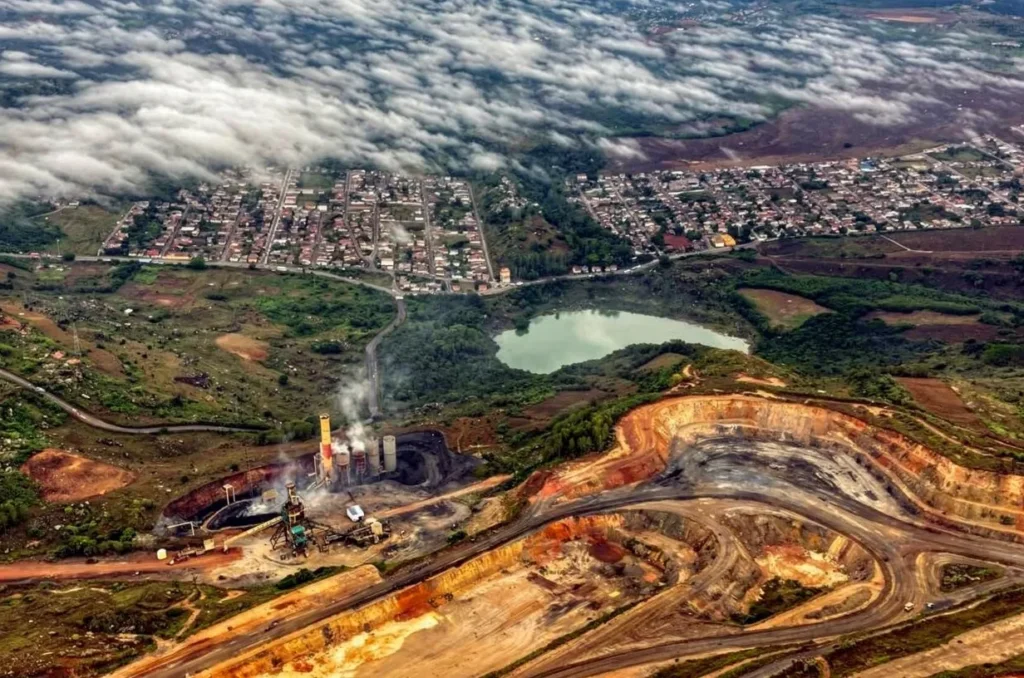
Workers represented by two unions at Antofagasta’s Centinela mine rejected the company’s final contract offer Monday, opening a mandatory mediation period before a potential strike. Wage negotiations at BHP’s Escondida mine, the world’s largest copper operation, have also been delayed following a fatal accident.
Neither development guarantees a major supply disruption. But copper is already trading in a market where buyers have less room for one.
The metal is heading toward a third consecutive monthly gain, with September alone up about 9%.
When copper is already near record highs, even the possibility of lost production starts carrying more weight.
The market is tight, and the copper is in the wrong places
Some of the squeeze has little to do with how much copper exists globally and more to do with where it is sitting.
Large quantities of refined copper have accumulated in U.S. warehouses as traders position for the possibility of future import tariffs. That inventory build has removed metal from other markets, tightening the amount readily available to buyers elsewhere.
At the same time, China’s Yangshan copper import premium is near its highest level since 2022, signaling stronger competition for imported material.
The broader supply-demand data are moving in the same direction.
According to the International Copper Study Group, refined demand reached an annualized 29 million tonnes in July, up 3% from a year earlier. Refined supply slipped 1% to 28.4 million tonnes.
Mine production was running at an annualized 23 million tonnes, down 4% from June.
That leaves the copper market dealing with several pressures at once: constrained mine output, rising refined demand and inventories being pulled toward the U.S. rather than flowing freely to the regions that need them.
$22,000 copper no longer sounds completely absurd
Deutsche Bank recently said copper could reach approximately $22,000 a tonne by the second quarter of 2027 if competition for available supply continues intensifying.
That would represent another major leg higher from prices that are already near records.
The forecast is aggressive, but the conditions behind it are becoming easier to understand. Copper demand continues growing across power grids, data centers, electric vehicles and industrial infrastructure, while bringing major new mines into production can take years.
Existing producers therefore carry more importance when the market tightens. Any disruption at a large mine such as Centinela or Escondida can immediately affect expectations because replacement tonnes cannot simply appear overnight.
Copper’s current rally is no longer being driven by one temporary shortage or one speculative trade.
Mine supply is under pressure. Refined demand is growing. U.S. tariff expectations have distorted inventories. China is paying up for imported copper. And some of the world’s most important mines are dealing with labor and operational risks at the same time.
If those pressures continue stacking up, the next question may not be whether copper can hold above $14,000.
It may be how much buyers are ultimately willing to pay for the metal that is actually available.
Explore More Stories in Commodities
Disclaimer
Wall Street Access is an independent financial publisher. Wall Street Access is not a financial advisor. No company mentioned has compensated Wall Street Access for the preparation, publication or distribution of this article. This content is provided for informational and educational purposes only and is not investment advice or a recommendation to buy, sell or hold any security. Investing involves risk, including the possible loss of principal.
Prices, market capitalizations, financial figures and other market data are based on information available as of the date and time of publication and may change without notice. Information is drawn from public sources believed to be reliable but is not guaranteed to be complete or accurate. Opinions and expectations expressed are our own and may change as new information becomes available.
Readers should conduct their own due diligence and contact a licensed financial professional before making any investment decision. Past performance does not guarantee future results. Any material ownership interest or conflict of interest, where applicable, will be disclosed separately.