Rising yields kept the market on the defensive
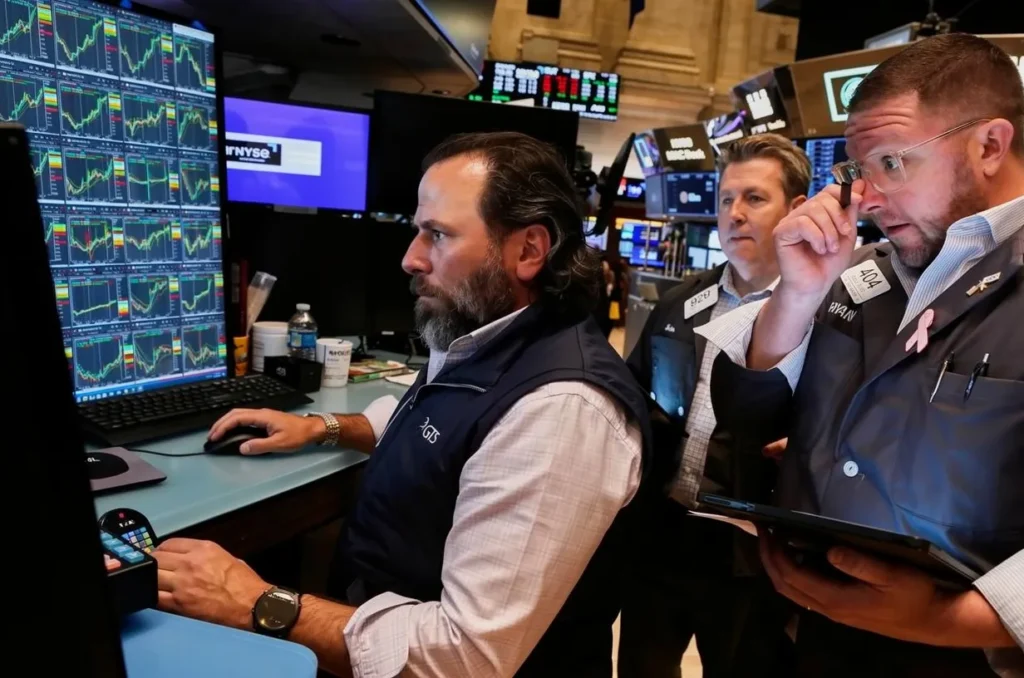
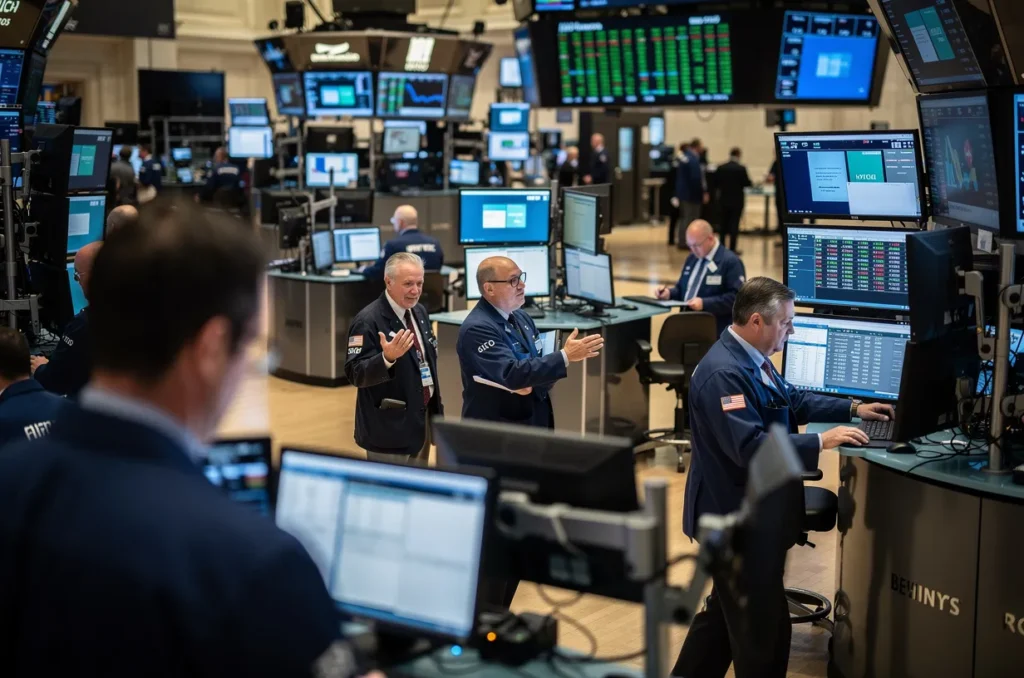
US stocks moved lower Tuesday as the bond market continued to do the real damage.
The Nasdaq fell about 1.2%, the S&P 500 dropped 0.8%, and the Dow lost roughly 0.5%. The pressure came as the 10-year Treasury yield pushed back above 4.6% and the 30-year yield briefly touched 5.2%, levels that continue to tighten financial conditions and chip away at risk appetite.
That is the issue right now. Stocks are not trading in a vacuum. They are trading against a bond market that is still signaling discomfort with inflation, deficits, and the possibility of a more restrictive path for rates.
Tech remains the first place investors cut risk
The weakness showed up most clearly in technology.
High-multiple names were under pressure again as investors stepped back from growth exposure and took profits in some of the market’s biggest winners. The Philadelphia Semiconductor Index and the broader software complex both moved lower, while the Magnificent Seven also traded in the red. Amazon and Tesla were among the weakest large-cap names, but the selling was broad enough to show that this was not a one-stock issue.
The market is still willing to pay for AI and large-cap tech leadership, but only when rates cooperate. When yields jump, those valuations come under much more scrutiny.
Nvidia is the next major test
That is what makes Nvidia’s earnings report so important this week.
The company is not just another large-cap report. It is the most important AI bellwether in the market. Investors want to know whether demand for AI infrastructure is still strong enough to support the current spending boom and justify the valuations built around it.
The problem is that expectations are already extremely high. That means Nvidia likely needs more than a simple beat. It needs to reassure investors that the AI trade still has momentum even in a market dealing with inflation pressure, geopolitical risk, and higher long-end yields.
Iran headlines helped sentiment, but not enough
There were modest signs that the geopolitical picture may be improving, at least at the margin.
President Trump said “serious negotiations” are underway and suggested there is a “very good chance” of a deal on Iran’s nuclear program. He also said he had halted military action that had been planned for Tuesday after Gulf allies urged restraint.
Under normal conditions, that kind of headline might have helped stocks more. This time, it did not. The market appears to be taking a more skeptical stance, likely because it has seen too many starts and stops in this process already. Until investors see something more concrete around a ceasefire, Hormuz, or actual de-escalation, peace rhetoric alone is not enough to reset sentiment.
Oil eased, but the inflation problem is still there
Oil prices did pull back somewhat, helped by reports that NATO may be considering operations to assist vessels moving through the Strait of Hormuz if the waterway is not reopened soon. That helped Brent move back below $111 and WTI slip under $103.50.
That is constructive at the margin, but it does not solve the inflation issue. The market is still dealing with the accumulated effects of higher energy prices, and those concerns are already feeding into rate expectations. Even if crude comes off the highs, investors are still watching for the second-order effects on transport, food, manufacturing, and consumer inflation expectations.
That is why yields are staying elevated.
The real market debate is shifting back to the Fed
The bigger issue now is not whether the Fed cuts. It is whether the market needs to start taking the risk of further tightening more seriously.
Rising oil, sticky inflation, and higher yields are all pushing investors toward a more cautious interpretation of the policy backdrop. That does not mean a rate hike is imminent. It does mean the market is becoming less comfortable with the idea that inflation is moving in a clean downward line.
That change matters most for growth stocks, which have benefited enormously from investor confidence in long-term earnings potential. Once the discount rate rises, the market becomes much less forgiving.
WSA Take
Tuesday’s move was another reminder that the bond market is still in control. A few positive headlines on Iran were not enough to change that. As long as the 10-year stays above 4.6% and the 30-year keeps pressing above 5%, equities will have a hard time finding stable footing, especially in the tech sector.
The next real test is Nvidia. If the company delivers a blowout report and reinforces the AI buildout story, it can help stabilize sentiment. If it disappoints, or even simply fails to clear a very high bar, this pullback in tech could get a lot more uncomfortable.
Explore More Stories in Markets
Disclaimer
WallStAccess is a financial media platform providing market commentary and analysis for informational and educational purposes only. This content does not constitute investment advice, a recommendation, or an offer to buy or sell any securities. Readers should conduct their own research or consult a licensed financial professional before making investment decisions.