Tech led the rebound after Friday’s flush
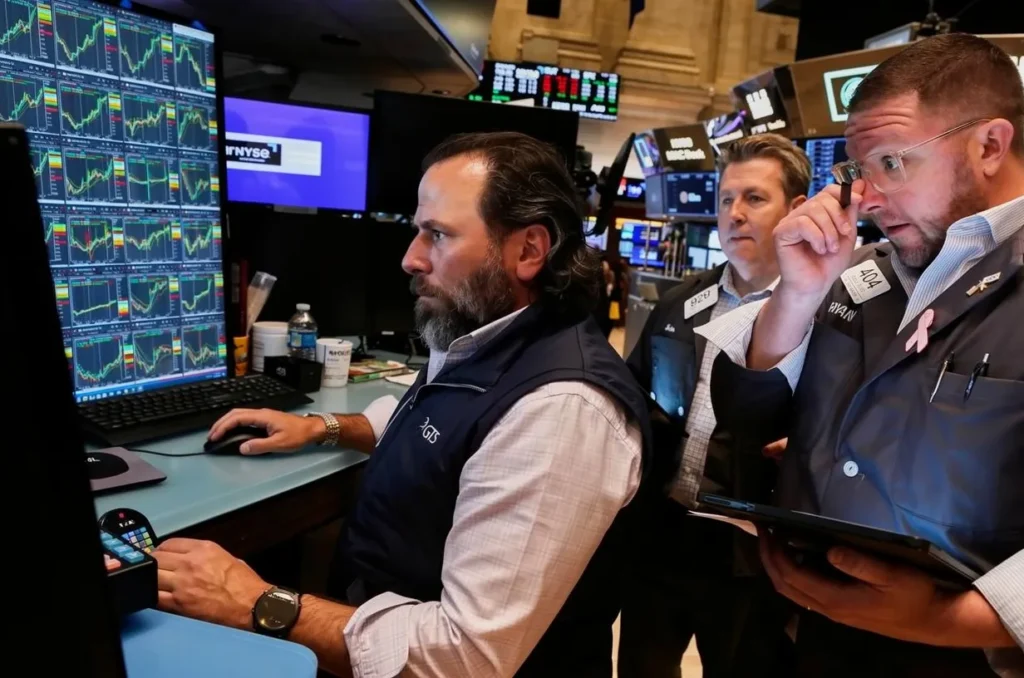
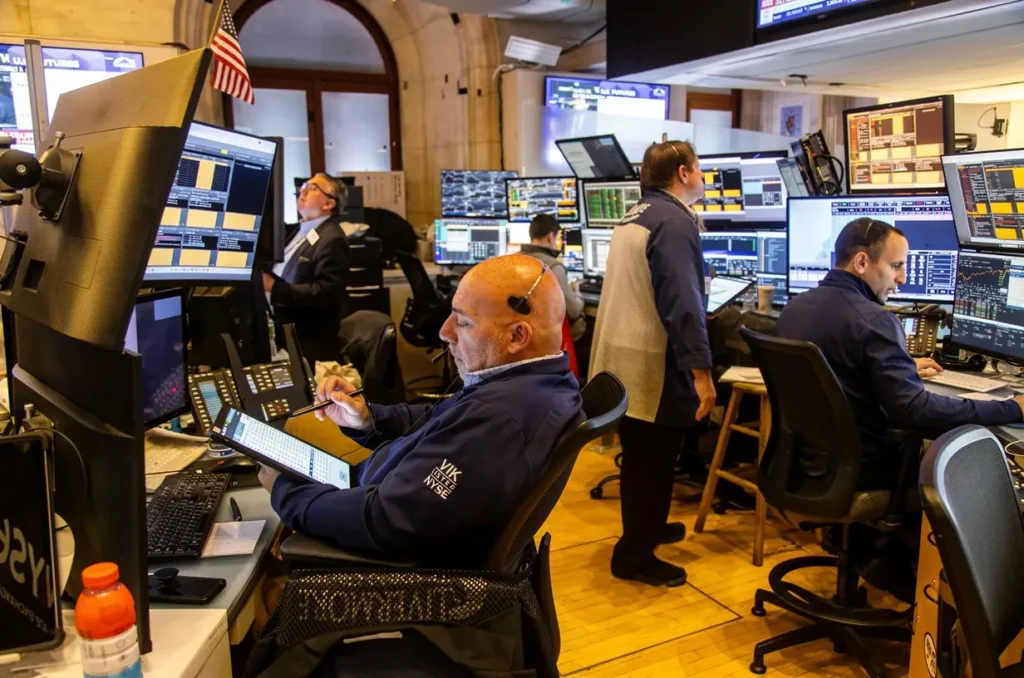
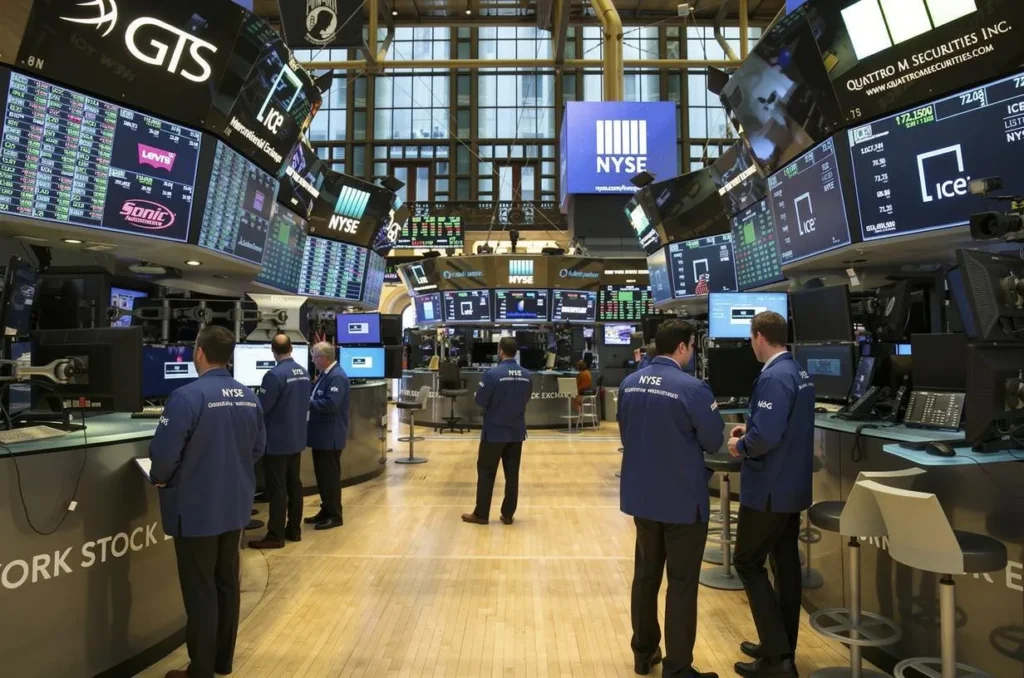
Wall Street came into Monday needing a reset, and chips delivered it. Reuters reported that the major indexes opened higher as investors stepped back into semiconductor names after last week’s steep selloff, while signs of cooler near-term Middle East risk helped stabilize sentiment. The move followed a two-day slide that had wiped more than $1 trillion from chip-sector market value and left the PHLX Semiconductor Index down about 12% over that stretch.
The market is still trying to decide whether Friday was a reset or a warning
Friday’s selloff was driven by two things the market had little room for: a stronger-than-expected jobs report and a sudden loss of momentum in the AI complex. That pushed investors out of some of the most crowded winners in semis and AI infrastructure. Monday’s bounce suggests buyers are not ready to abandon the theme. It does not mean the valuation pressure is gone. The chip index is still up more than 70% this year even after the recent pullback.
Oil stayed firm as the ceasefire story got messier again
The other force holding the market in check was crude. Reuters reported that oil jumped sharply after renewed military action between Israel and Iran over the weekend, with Brent briefly rising above $97 and WTI above $95 before paring gains as Iran later said its attacks had ended. Even after cooling, both contracts remained elevated, with Brent around $94.52 and WTI near $91.57 in mid-session trading.
Lebanon is still part of the Iran deal, whether markets want it or not
The diplomatic problem remains the same. Any path to a durable US-Iran agreement is still entangled with Lebanon and Hezbollah. Reuters reported that Israeli strikes in Lebanon and Hezbollah’s refusal to accept a lasting ceasefire continue to complicate efforts to stabilize the region. Lebanon’s government has said Israeli forces struck the country nearly 3,500 times during the current truce period, a reminder that “ceasefire” in this conflict still leaves plenty of room for military action.
There was also a separate chip story helping sentiment
One name that stood out Monday was Intel. Reuters reported that Alphabet’s Google has ordered more than 3 million in-house TPU chips from Intel for delivery in 2028, a significant vote of confidence for Intel’s contract-manufacturing push and another sign that the hyperscalers want more supply-chain diversification away from a single foundry bottleneck. Intel shares rose more than 9% on the news.
This week’s calendar gives the market three new tests
The rebound still has to clear a tougher macro and earnings setup. Reuters highlighted three major events hanging over the week: Wednesday’s CPI report, Oracle earnings, and the likely June 12 SpaceX IPO, which is expected to be the largest public offering on record. If inflation comes in hot again, the recent rebound in tech could run into the same rates problem that hit Friday. If not, the market may get another window to lean back into AI and infrastructure.
WSA Take
Monday’s bounce looked like a rebound, not a full return to comfort. Chip stocks were oversold enough to rally, and investors were willing to buy them back. Oil kept the macro backdrop tense, and the Middle East still has too many moving parts for the market to treat this as a clean all-clear.
The bigger issue is unchanged. The AI trade still has strong structural support, but it is now running through a market that is less forgiving on rates, more sensitive to oil, and about to absorb a record IPO.
Explore More Stories in Markets
Disclaimer
WallStAccess is a financial media platform providing market commentary and analysis for informational and educational purposes only. This content does not constitute investment advice, a recommendation, or an offer to buy or sell any securities. Readers should conduct their own research or consult a licensed financial professional before making investment decisions.