The chip trade gave the market a lift
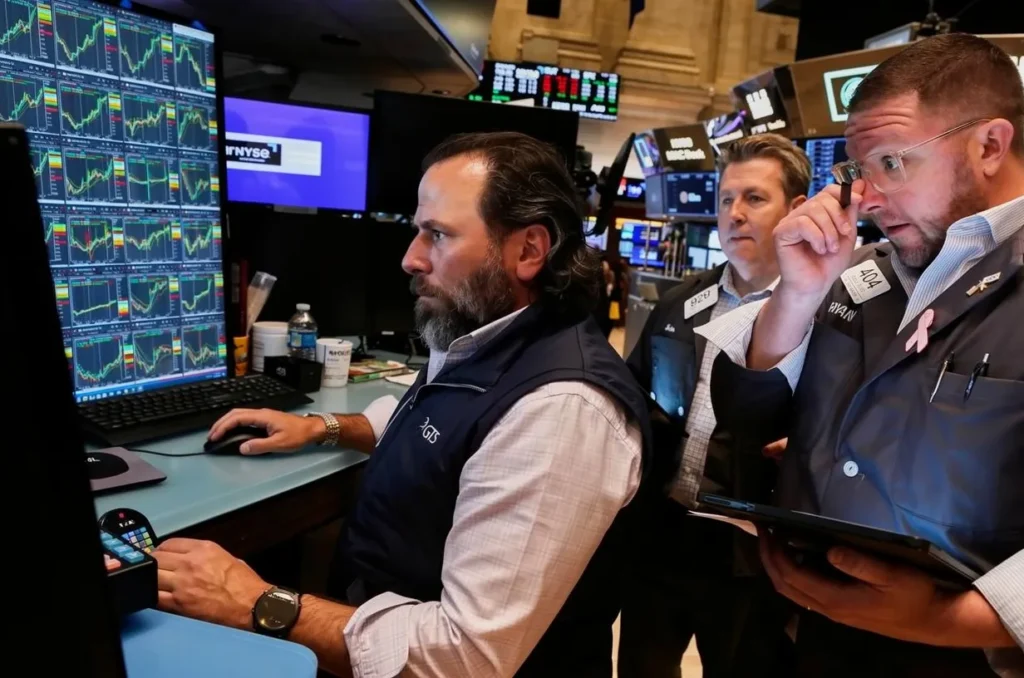
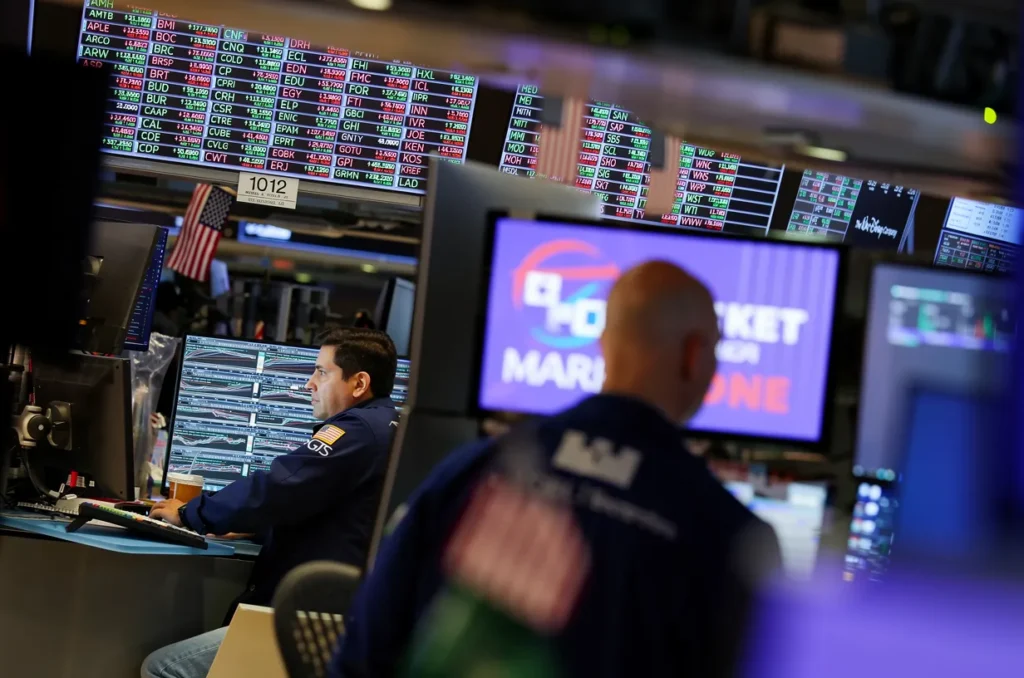
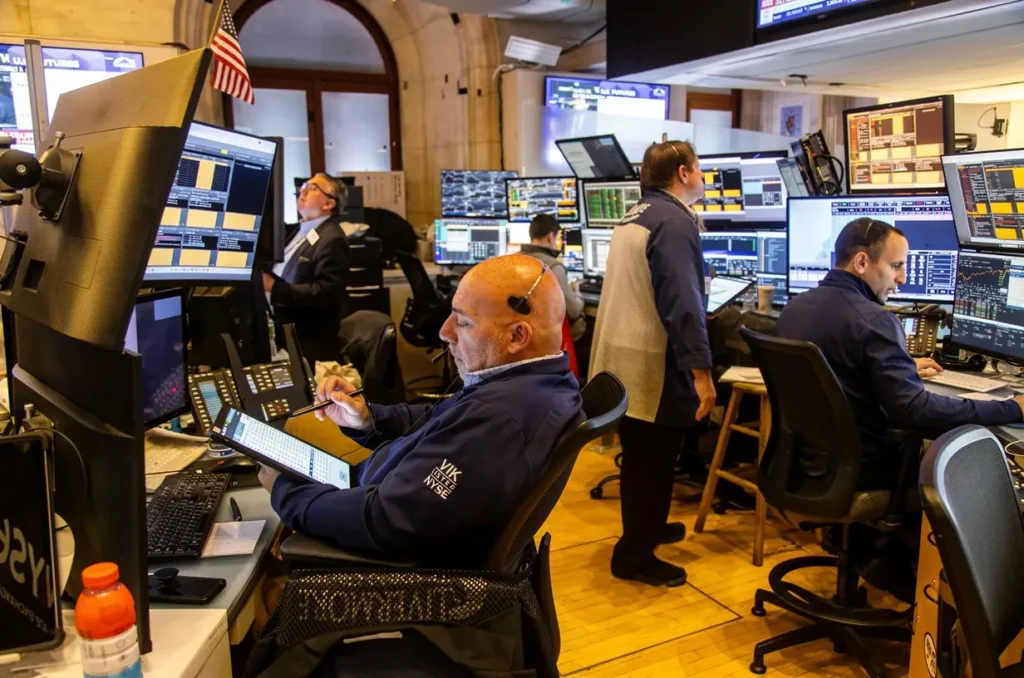
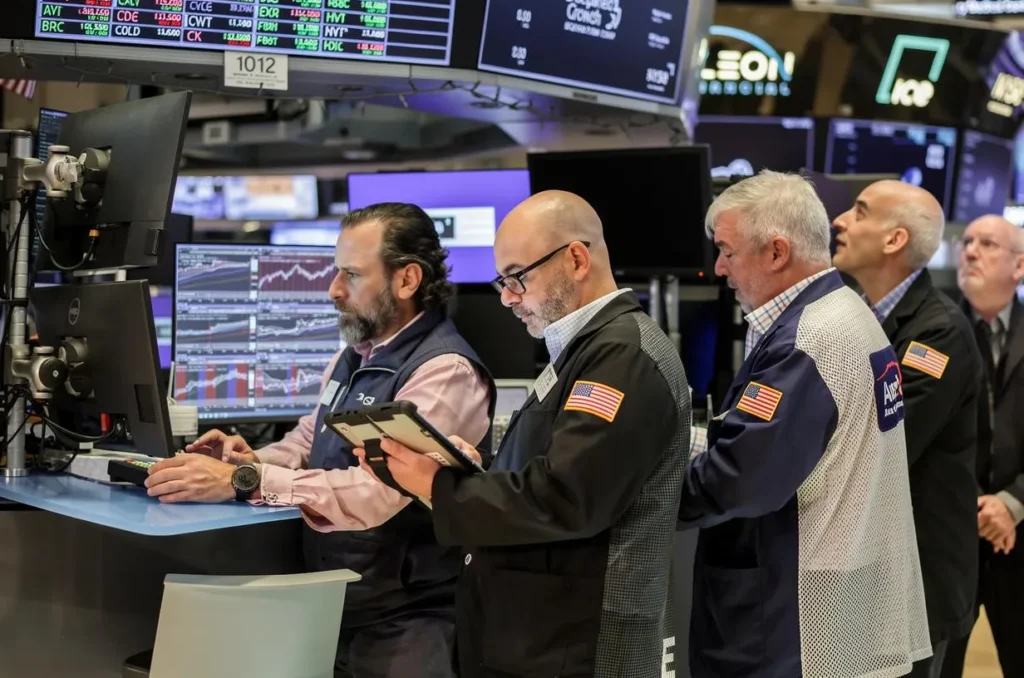
US stocks moved higher Tuesday as semiconductor shares rebounded and investors prepared for a heavy stretch of technology earnings.
The Nasdaq Composite gained 1%, leading the major indexes as chip stocks moved back into focus. The S&P 500 rose 0.6%, while the Dow Jones Industrial Average added 0.5% after Monday’s pullback tied to rising US-Iran tensions.
The move was not a broad risk-on surge. It was more focused than that. Investors rotated back into the same part of the market that has carried much of the AI trade: chips, data-centre infrastructure and companies tied to the next phase of compute demand.
That gave the market enough strength to look past other pressure points, including new US tariffs on Canada and another spike in crude prices.
Nvidia helped revive chip sentiment
Chip stocks rallied Tuesday after a stronger session in Asia and an attempted recovery in the sector earlier in the week. Nvidia shares rose 1% after the AI chip leader disclosed that it had taken a stake in Nebius, a neocloud provider.
That detail matters because investors are watching where Nvidia places capital across the AI infrastructure chain. Neocloud companies have become an important part of the compute market because they help supply GPU capacity outside the largest hyperscale platforms.
The chip trade has become more selective in recent weeks, but it has not disappeared. Investors are still looking for companies positioned around AI infrastructure, especially where demand for GPUs, memory, servers and cloud capacity remains strong.
The market is now trying to separate short-term volatility from the longer-term AI spending cycle.
Tech earnings are the next test
The rally comes as investors brace for a wave of earnings from major technology companies. Alphabet reports Wednesday, and its results will be closely watched for signs of how much Big Tech is still willing to spend on AI infrastructure.
The key issue is no longer whether companies are investing in AI. They clearly are. The question is whether the spending is translating into revenue growth, stronger products and defensible margins.
The market will be focused on several signals this week:
- AI capital spending plans from large technology companies
- Cloud revenue growth and customer demand
- Commentary on chips, servers and memory availability
- Margin pressure from higher infrastructure costs
- Evidence that AI products are driving usage and revenue
That is why the Nasdaq’s move higher matters. It shows investors are still willing to lean into technology before earnings, but the bar for proof remains high.
Canada tariffs added another policy risk
Trade policy remained in focus after the US president announced a new round of 50% tariffs on a range of Canadian goods, including beer, hockey sticks, milk and chemicals.
The duties are expected to take effect in 30 days after the US accused Canada of discriminatory trade practices. The move raises the risk of another tit-for-tat trade dispute between two closely linked economies.
The White House exempted Canadian oil imports, an important carve-out given how heavily parts of the US refining system rely on Canadian crude. That exemption helped limit the immediate energy-market impact, especially with oil already trading near its highest level since mid-June.
The broader issue is uncertainty. Tariffs can affect pricing, corporate margins and supply-chain planning before they even take effect. Companies tied to cross-border trade now have a 30-day window to assess whether the threat becomes policy or remains a negotiating tool.
Oil stayed firm as the Red Sea risk grew
Oil prices remained elevated Tuesday as Middle East tensions kept energy markets on edge.
Brent crude climbed back above $91 per barrel, while West Texas Intermediate moved above $84. The rise followed reports that a Chinese oil tanker leaving the Saudi port of Yanbu made an abrupt U-turn in the Red Sea, raising questions about shipping risk after new threats from the Houthis.
The Iran-aligned Houthi militia said Monday it would begin blockading Saudi vessels looking to transit the Bab el-Mandeb Strait, which connects the Red Sea to the Gulf of Aden and wider global markets.
That matters because the Red Sea has become a crucial release valve during the US-Iran war. With the Strait of Hormuz largely closed to through-traffic, Saudi Arabia has been using its East-West pipeline to move oil from the Gulf to the Red Sea, with capacity raised to roughly 5 million barrels per day.
If Bab el-Mandeb becomes less reliable, the oil market loses part of that cushion.
Energy risk is feeding back into stocks
The market can absorb geopolitical risk when it looks contained. It becomes harder when that risk starts to affect oil flows, shipping routes and inflation expectations.
A disruption in the Red Sea would force some vessels to take longer routes, potentially adding time and cost to oil shipments. That could push crude prices higher, raise freight and insurance costs, and make energy inflation more difficult to dismiss.
For equities, that creates a more complicated backdrop. Chip stocks can rally on AI optimism, but higher oil prices can still weigh on margins, consumer confidence and central-bank expectations.
That is why Tuesday’s rally looked constructive but not risk-free. The Nasdaq had leadership again, but the broader market is still trading around a mix of AI momentum, tariff uncertainty and energy-market stress.
D.R. Horton showed pressure in housing
Outside technology, D.R. Horton gave investors another sign that housing demand remains uneven.
The homebuilder lowered its fiscal-year revenue forecast to a range of $32.5 billion to $33 billion, down from prior guidance of $33.5 billion to $34.5 billion. Shares slipped 0.8% after the update.
CEO Paul Romanowski said affordability constraints and cautious consumer sentiment continue to affect new home demand. The company saw better-than-normal seasonality early in the quarter, but demand softened toward the end of the period.
Higher input costs, including fuel, also remain a headwind. COO Michael Murray said the newly announced Canadian tariffs are not expected to have a material impact on D.R. Horton’s footprint, but added that the company is still looking for more cost improvements where possible.
The housing update adds another layer to the market picture. Technology may be firming, but rate-sensitive sectors are still facing pressure from affordability, consumer caution and cost inflation.
WSA Take
Tuesday’s market was led by the Nasdaq because investors are still willing to buy the AI and chip trade ahead of earnings. Nvidia’s Nebius stake added to the compute-infrastructure story, while Alphabet’s report will test whether Big Tech can justify continued AI spending. The risk is that the rally is happening alongside higher oil, tariff uncertainty and soft housing demand, which keeps the broader market from looking fully clean.
Explore More Stories in Markets
Disclaimer
WallStAccess is a financial media platform providing market commentary and analysis for informational and educational purposes only. This content does not constitute investment advice, a recommendation, or an offer to buy or sell any securities. Readers should conduct their own research or consult a licensed financial professional before making investment decisions.