Markets Pull Back as Geopolitical Risk Returns
US stocks fell Wednesday as oil prices surged and investors reacted to a sharp escalation in tensions between Washington and Tehran.
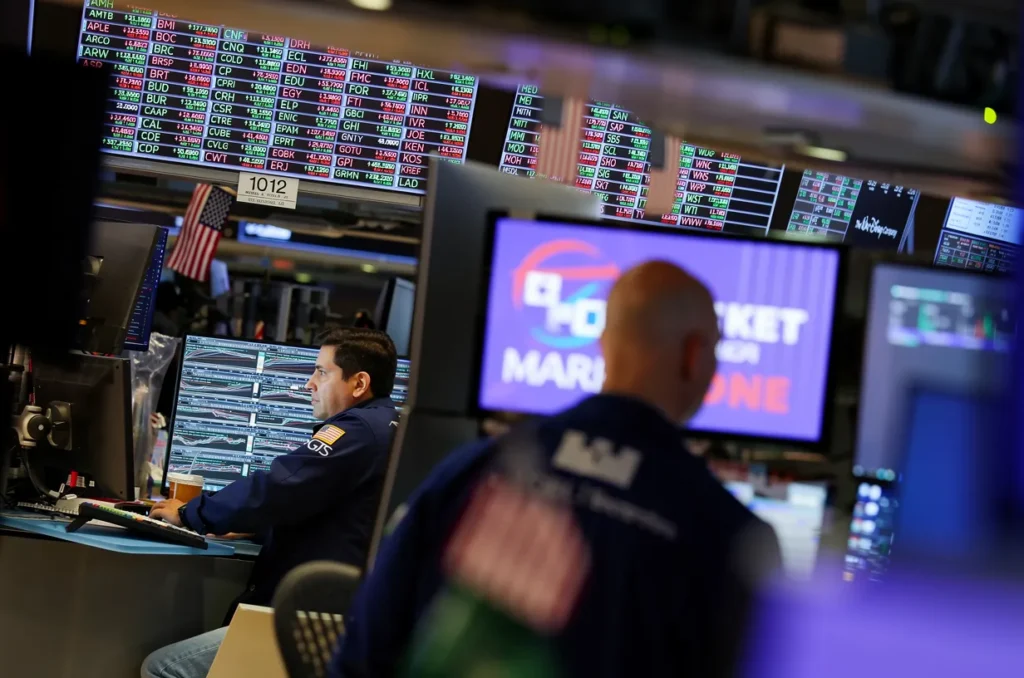
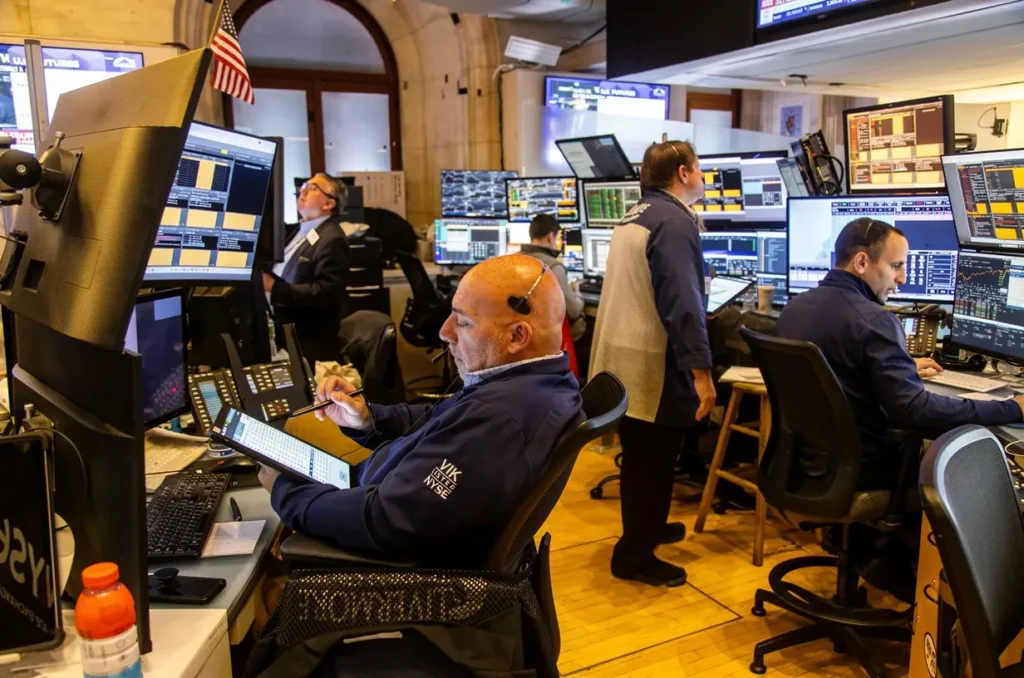
The Dow Jones Industrial Average dropped 1.6%, losing more than 800 points. The S&P 500 declined 1%, while the tech-heavy Nasdaq Composite also fell 1%.
The selloff came after the US president said the memorandum of understanding between the US and Iran was “over,” raising concerns that the conflict in the Middle East could reescalate.
For markets, the pressure was immediate: higher oil, higher yields and weaker appetite for equities.
Oil Surges After Strait of Hormuz Attacks
Energy markets moved sharply higher after American forces carried out what were described as a “series of powerful strikes” against Iran late Tuesday.
The strikes followed attacks on three commercial vessels in the Strait of Hormuz, one of the world’s most important routes for global oil shipments.
Crude prices climbed more than 7%. West Texas Intermediate traded above $75 a barrel, while Brent crude held near $79 a barrel.
The Treasury’s decision to revoke a license that had allowed Iran to export oil globally added another layer of uncertainty.
The market is now pricing more than a political headline. It is pricing the possibility that energy flows could become more difficult, more expensive or more exposed to disruption.
Ceasefire Arrangement Breaks Down
Speaking in Ankara ahead of a NATO summit, the US president said the ceasefire arrangement with Iran was no longer in effect.
“As far as I’m concerned, it’s just a waste of time dealing with them,” he said of Iran.
The comments deepened investor concern that diplomatic channels may be closing just as energy markets are becoming more sensitive to supply risk.
That shift matters for equities because oil is not only an energy-market issue. A sustained increase in crude prices can feed into transportation costs, consumer prices, corporate margins and inflation expectations.
Hormuz Blockade Threat Adds to Market Stress
The US president also floated the possibility of reinstating a blockade of the Strait of Hormuz, which had previously restricted Iranian ships from transiting the waterway.
“We may put it back,” he said, referring to the blockade.
He said any renewed blockade would be limited to Iran, while acknowledging that attacks on ships and apparent mining activity remained a challenge for commercial shipping.
The US had blocked Iranian shippers from April until last month, when the two countries signed a memorandum of understanding to reopen the waterway and begin talks on other issues.
The risk for markets is that even a limited disruption around Hormuz can create broader uncertainty for crude pricing, shipping insurance and energy supply chains.
Kharg Island Moves Back Into Focus
The president also revisited the idea of seizing Kharg Island, a major Iranian oil export hub.
The seaport handles up to 90% of Iran’s oil exports, making it a critical point of concern for energy traders.
Any threat to Kharg Island would likely increase volatility in crude markets, especially if it coincides with renewed tension in the Strait of Hormuz.
This is why oil’s move is being watched so closely by equity investors. A short-term spike can pressure sentiment. A sustained shock can reshape inflation expectations.
Treasury Yields Rise as Inflation Fears Build
US Treasury yields rose Wednesday as the jump in oil prices revived concerns about inflation.
The 10-year Treasury yield advanced 4 basis points to 4.56%, reaching its highest intraday level since the end of May. The 30-year yield rose 2 basis points to 5.07%.
Both yields moved back above levels that investors often view as pressure points for stocks.
Higher yields can weigh on equities by raising discount rates, increasing borrowing costs and making bonds more competitive against risk assets.
That pressure is especially important for growth stocks, which helped explain why the Nasdaq also moved lower.
Fed Minutes Become More Important
Investor attention now turns to the release of minutes from the Federal Reserve’s June meeting.
Markets will be looking for clues about how policymakers are weighing inflation risk after the Fed held rates steady at its first meeting under Chairman Kevin Warsh.
Rate-hike expectations have shifted higher following the oil spike, with traders increasingly pricing in the possibility of another increase later this year, potentially as soon as the October meeting, according to CME data.
The Fed now faces a more complicated backdrop. Oil is rising, yields are moving higher and geopolitical risk is feeding back into inflation expectations.
WSA Take
This was not a simple risk-off session.
The move in US stocks reflects a broader market repricing around energy, inflation and geopolitical risk. Oil surged because traders are once again being forced to price the possibility of disruption in one of the world’s most important energy corridors.
That creates a difficult setup for equity markets.
Higher crude prices can lift inflation expectations. Higher inflation expectations can push Treasury yields higher. Higher yields can pressure stocks, especially growth-heavy parts of the market.
The key question is whether this remains a short-term geopolitical shock or becomes a more durable supply-risk premium in oil.
If tensions ease, markets may look through the move. If the conflict expands or energy infrastructure becomes a target, investors may have to price a more difficult mix of higher oil, higher yields and tighter Fed expectations.
Explore More Stories in Markets
Disclaimer
WallStAccess is a financial media platform providing market commentary and analysis for informational and educational purposes only. This content does not constitute investment advice, a recommendation, or an offer to buy or sell any securities. Readers should conduct their own research or consult a licensed financial professional before making investment decisions.