Tesla delivered far more vehicles than Wall Street expected
Tesla produced one of the strongest quarterly delivery reports in its history—and investors sold the stock anyway.
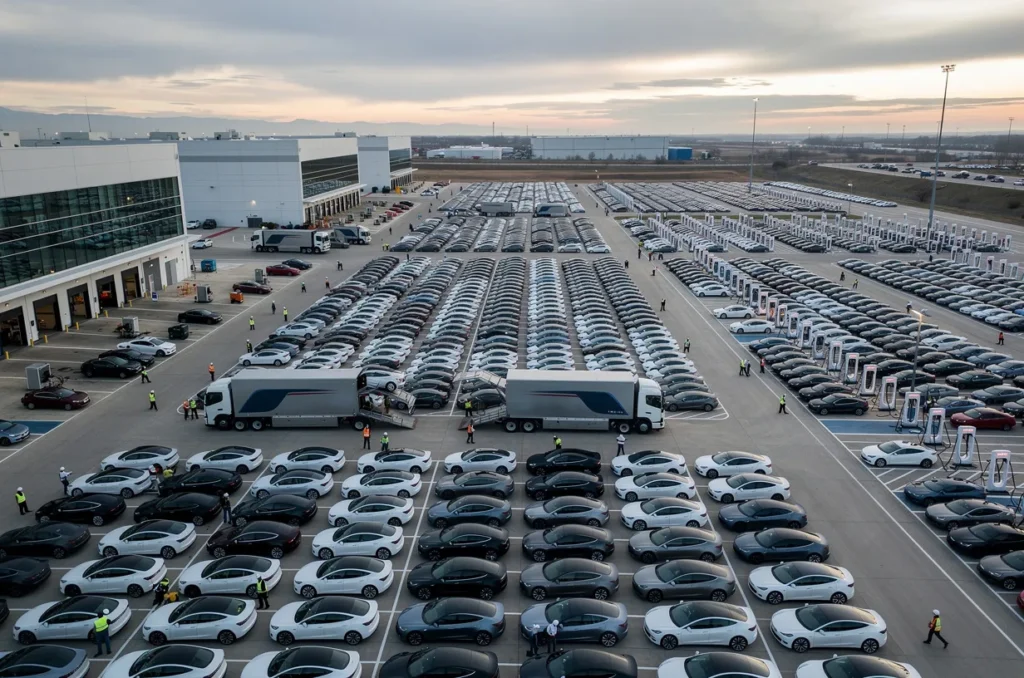
The electric-vehicle maker delivered 480,126 vehicles during the second quarter, comfortably exceeding the company-compiled analyst consensus of 406,024 and StreetAccount’s estimate of approximately 406,600.
Production reached 451,758 vehicles.
Compared with the same period last year, deliveries increased roughly 25% from 384,122. They were also about 34% higher than the 358,023 vehicles delivered during the first quarter of 2026.
The performance provided meaningful evidence that Tesla’s automotive business is recovering after two consecutive years of declining annual sales.
Yet the shares fell approximately 7% following the announcement.
That reaction showed that Tesla’s valuation is no longer determined by vehicle volume alone.
A large delivery beat had already been priced into the stock
Tesla shares entered the report after rallying roughly 12% earlier in the week.
Investors had grown increasingly optimistic that stronger European registrations, higher gasoline prices and improving demand for the refreshed Model Y would produce a substantial delivery beat.
Once the number arrived, traders had little reason to continue buying the same expectation.
The result became a classic sell-the-news event: strong operating data confirmed the recovery, but much of the near-term improvement had already been reflected in the stock.
Tesla also trades at a valuation that assumes significant future revenue from autonomous vehicles, artificial intelligence and humanoid robots. A strong quarter for conventional vehicle deliveries supports the company’s finances, but it does not by itself prove that those larger ambitions will succeed.
Deliveries exceeded production by more than 28,000 vehicles
Tesla delivered 28,368 more vehicles than it produced during the quarter.
That difference suggests the company reduced inventory accumulated during earlier periods, particularly after producing approximately 50,000 more vehicles than it delivered in the first quarter.
Drawing down inventory is positive because it converts completed vehicles into revenue and cash. It also means the headline delivery number was supported partly by cars produced before the second quarter.
Investors will therefore want to know how much of the increase came from sustainable new demand and how much reflected the clearance of existing inventory.
Pricing will be equally important.
Discounts, financing incentives and lower-priced versions of the Model 3 and Model Y can support deliveries while placing pressure on automotive gross margins. Tesla’s delivery release does not disclose average selling prices, incentives or profitability.
Those figures will arrive with the company’s full financial results on July 22.
Europe drove much of the recovery
Improving demand in Europe appears to have been one of the quarter’s strongest contributors.
Tesla registrations recovered across several European markets following a difficult 2025. Higher gasoline prices, government incentives, corporate fleet electrification and the rollout of the refreshed Model Y all helped support demand.
The company has also started making its Full Self-Driving supervised driver-assistance system available in selected European markets, potentially providing another reason for existing customers to remain inside the Tesla ecosystem.
Europe’s rebound is encouraging because the region had become one of Tesla’s largest weaknesses.
The company continues to face strong competition from Volkswagen, BMW, Hyundai, Kia and rapidly expanding Chinese manufacturers. Sustaining the recovery will require more than one quarter of stronger registrations.
North American demand remains less convincing
The US market presents a more complicated picture.
American buyers have increasingly favoured hybrids, which offer lower fuel consumption without requiring full reliance on public charging infrastructure. The expiration of the federal EV tax credit also raised the effective purchase price of many fully electric vehicles.
Tesla has responded by introducing less expensive versions of its highest-volume models and emphasizing software features rather than launching an entirely new mass-market vehicle line.
Those measures may stabilize sales, but they do not eliminate the broader challenge.
The US EV market is maturing more slowly than manufacturers once expected, while competition is increasing across nearly every major price category.
Tesla’s global results do not provide a regional breakdown, leaving investors without a precise view of how much North American demand improved during the quarter.
Two models still account for almost the entire business
Tesla delivered 467,762 Model 3 and Model Y vehicles, representing approximately 97% of total deliveries.
All other models combined contributed only 12,364 vehicles.
That concentration remains one of the central risks surrounding Tesla’s automotive operation. The company continues to depend overwhelmingly on two vehicle platforms even as competitors introduce a wider range of electric sedans, SUVs, pickup trucks and lower-cost models.
The Model 3 and Model Y remain highly scalable products, and their shared components support manufacturing efficiency.
Dependence on a narrow lineup also leaves Tesla more exposed to ageing designs, pricing pressure and shifts in consumer preference.
The Cybertruck has not developed into a comparable volume platform, while the Model S and Model X have been discontinued as Tesla prepares to repurpose manufacturing capacity for Optimus robots.
BYD remains ahead in the global EV race
Tesla’s delivery recovery occurred alongside continued growth from Chinese rival BYD.
BYD sold 557,090 battery-electric vehicles during the second quarter, keeping it ahead of Tesla in global fully electric vehicle volume.
Its broader lineup, lower-priced products and rapid overseas expansion have made it an increasingly important competitor in Europe, Asia and emerging markets.
Chinese manufacturers also tend to introduce refreshed products more frequently and offer advanced interior technology at lower price points.
Tesla’s scale, charging network, software and brand remain substantial advantages. The company can no longer rely on being the automatic global leader in electric vehicles.
The second-quarter beat shows Tesla can recover demand. It does not show that competitive pressure is easing.
Energy storage delivered another strong quarter
Tesla deployed 13.5 GWh of energy-storage products during the quarter.
That was up approximately 41% from 9.6 GWh in the same period last year, although it came slightly below the company-compiled analyst consensus of 13.8 GWh.
The energy business is becoming an increasingly important part of Tesla’s financial profile.
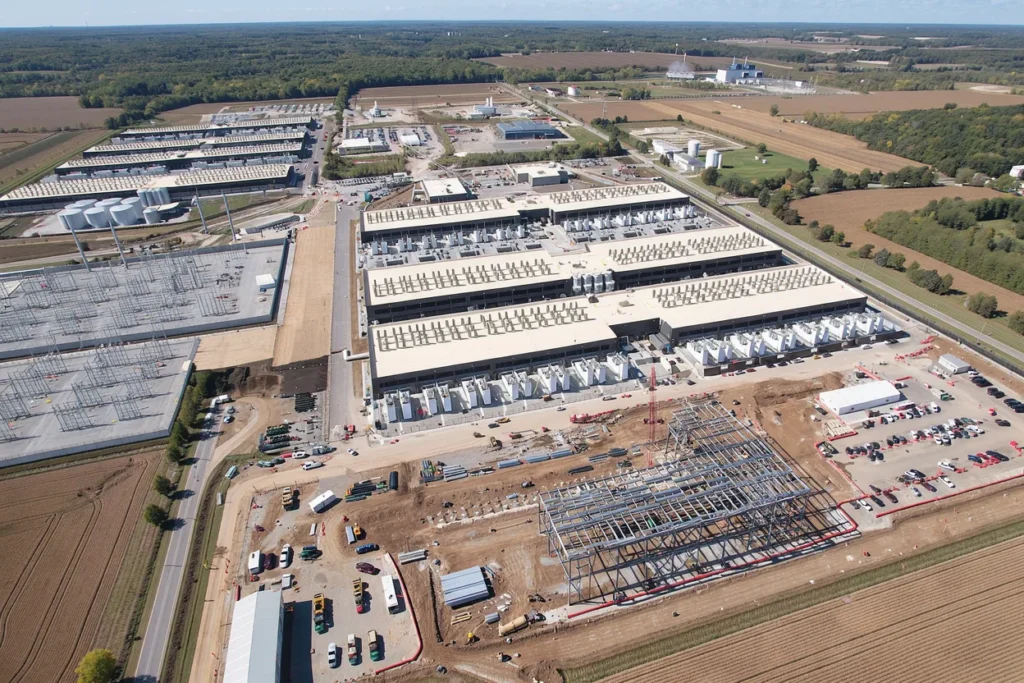
Megapack installations give utilities, data centres and commercial customers the ability to store electricity and manage fluctuations in power supply. Demand is growing as renewable generation expands and AI data centres place additional pressure on electrical grids.
Energy storage also gives Tesla a growth business that is less dependent on consumer vehicle demand.
Investors will watch whether higher deployment volumes translate into stronger margins and cash generation when Tesla reports full financial results.
The stock increasingly trades on autonomy rather than cars
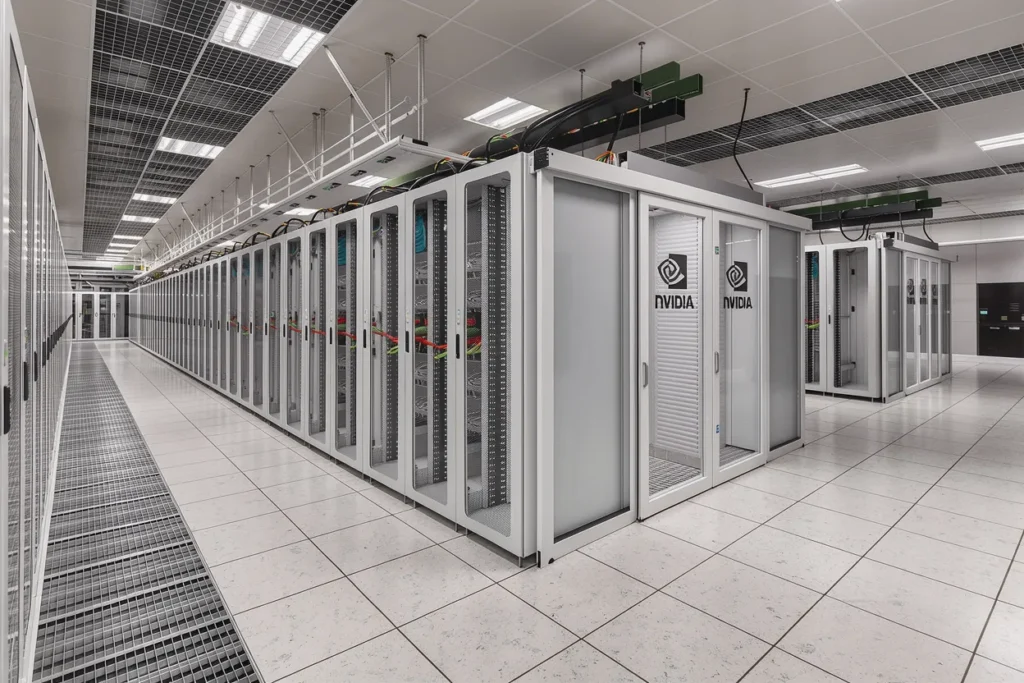
Tesla’s market value reflects expectations that the company will eventually generate substantial revenue from robotaxis, autonomous-driving software and Optimus humanoid robots.
Management is preparing to ramp production of the driverless Cybercab and expand its commercial robotaxi operations. It is also redirecting factory space toward Optimus manufacturing.
These programs require considerable capital.
Tesla expects to spend more than $25 billion in 2026, nearly three times its capital expenditures from the previous year. That investment covers AI infrastructure, batteries, Cybercab production and robotics.
Stronger vehicle deliveries provide cash to support those projects, but investors still need evidence that the projects can produce commercially meaningful returns.
The stock’s decline suggests the market was unwilling to treat automotive volume as a substitute for progress on autonomy.
Margins will determine the quality of the delivery beat
Tesla’s July 22 earnings report will provide the information missing from the delivery release.
The most important figure may be automotive gross margin.
A delivery increase created through stronger demand and improved factory efficiency would represent a healthier recovery than one driven primarily by discounts and low-cost financing.
Investors will also evaluate:
- average vehicle selling prices
- operating cash flow and free cash flow
- inventory levels after the quarter-end drawdown
- capital expenditures for AI and manufacturing
- Cybercab production timelines
- progress expanding robotaxi services
- energy-storage profitability
- early spending on Optimus production
Tesla itself cautions that deliveries should not be viewed as a direct indicator of quarterly financial performance. Revenue and profit also depend on product mix, pricing, costs, foreign exchange movements and lease accounting.
The delivery report improves the auto outlook without resolving the valuation debate
The second-quarter numbers were undeniably strong.
Tesla exceeded expectations by a wide margin, restored year-over-year growth and reduced accumulated vehicle inventory. The European recovery also suggests that some of the company’s most severe demand problems are beginning to moderate.
The stock reaction reflects a different issue.
Tesla’s valuation incorporates much more than the future earnings of an electric-vehicle manufacturer. Investors are paying for anticipated leadership in autonomous transportation, artificial intelligence, energy storage and robotics.
A better automotive quarter helps finance those ambitions. It does not establish their eventual profitability.
WSA Take
Tesla’s delivery report was substantially better than expected, but the 7% stock decline was not as contradictory as it first appeared.
The company entered the announcement after a strong rally, deliveries were supported partly by an inventory drawdown and the release provided no information about pricing or margins. Competition also remains intense, with BYD still delivering more fully electric vehicles globally.
Tesla has shown that its core automotive business can regain momentum. The next question is whether that recovery is profitable enough to support more than $25 billion in planned investment across AI, Cybercab, batteries and Optimus.
July 22 will matter more than the delivery headline. Investors already know Tesla sold more vehicles. They now need to see what it earned on them—and whether the company’s next generation of businesses is moving closer to commercial scale.
Explore More Stories in Markets
Disclaimer
WallStAccess is a financial media platform providing market commentary and analysis for informational and educational purposes only. This content does not constitute investment advice, a recommendation, or an offer to buy or sell any securities. Readers should conduct their own research or consult a licensed financial professional before making investment decisions.