Gold’s safe-haven bid ran into the rate trade
Gold and silver fell sharply Thursday as a new escalation in the Middle East pushed oil prices toward $100 a barrel and strengthened expectations that the Federal Reserve may resume raising interest rates.
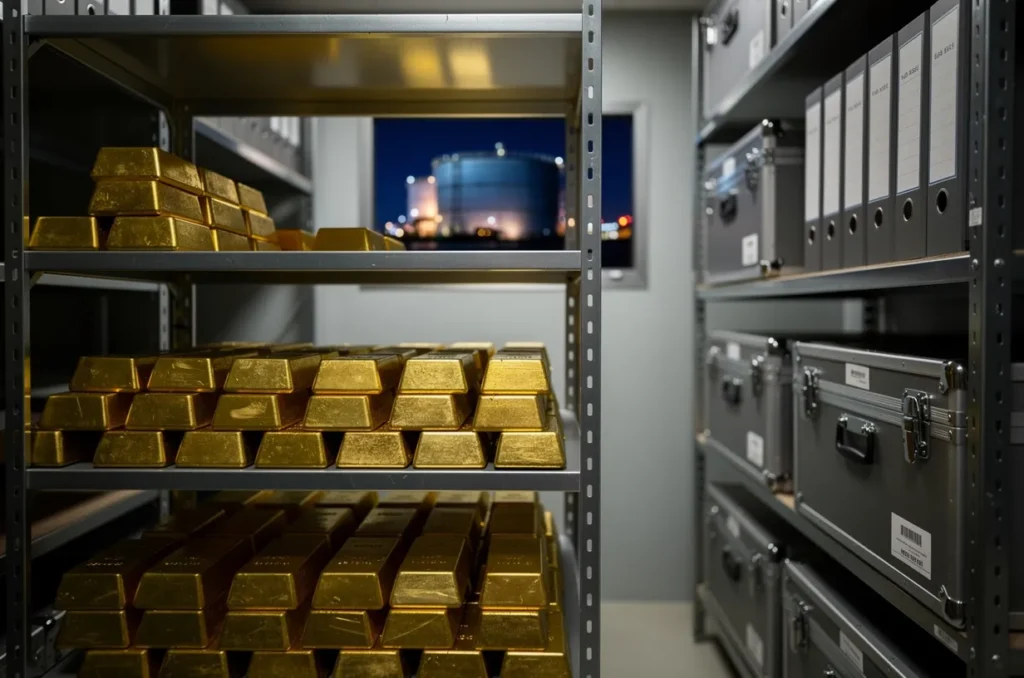
Comex gold for August delivery fell as much as 2.6% to $4,042.50 an ounce before trading at $4,050.80, down 2.4%, late Thursday morning in New York. The move snapped two days of dip-buying that had carried bullion to a two-week high of $4,165.87 on Wednesday.
The pressure was even sharper in silver. The September silver contract dropped as much as 4.9% to $57.32 an ounce before paring losses to trade at $57.82, still down 4.1%.
The move shows the tension inside the precious metals trade. Middle East escalation can support safe-haven demand, but when the same shock pushes oil, inflation expectations and Treasury yields higher, gold can lose support quickly.
Oil is changing the Fed math
The latest move in crude came after Yemen’s Iran-backed Houthis targeted two Saudi oil tankers in the Red Sea, while the US and Iran exchanged strikes for a 12th consecutive day.
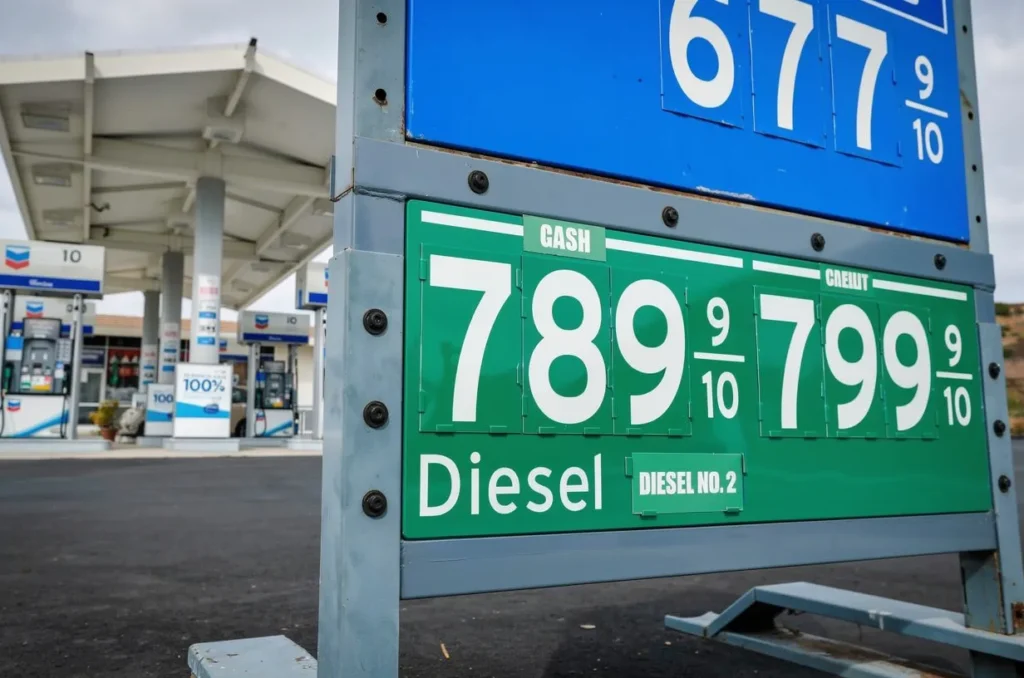
Oil rallied more than 5% toward $100 a barrel, adding pressure to a market already worried about shipping risk, supply disruption and higher energy costs. Two-year Treasury yields also rose for a sixth straight session, creating a difficult backdrop for non-yielding assets like gold and silver.
Rate swaps now imply roughly a one-in-three chance that the Fed raises rates at next week’s meeting, according to Bloomberg, with a hike fully priced in by September.
That shift matters because gold does not pay interest. When yields rise, the opportunity cost of holding bullion increases. Gold can still rally during crises, but it usually needs either falling real yields, a weaker dollar or strong fear-driven buying to overpower a rising-rate backdrop.
This week’s bounce looked more technical than aggressive
Gold’s earlier rebound may not have been as strong as the headline price move suggested.
TD Securities global head of commodity strategy Bart Melek said this week’s bounce was driven by “short covering and dip buying” after technical support held during the prior selloff, rather than a major build-up of new long positions.
That leaves gold vulnerable if yields continue to rise. Melek said bullion may drop back toward support around $3,900 an ounce, with resistance near $4,200.
The $4,000 level is now an important psychological and technical line for traders. Gold is still holding above it, but the market is no longer moving with the same momentum that carried prices to a record near $5,600 in January.
Precious metals are still below their highs
Bullion has lost about a fifth of its value since the US and Israel launched strikes on Iran in late February, ending the multiyear bull run that took gold to record highs earlier this year.
Gold is now down 6.1% in 2026, while silver remains about one-third below its January record of $85.73 an ounce.
The decline does not mean the precious metals story is dead. It means the market is now more sensitive to the policy reaction from higher energy prices. If oil keeps rising and the Fed becomes more hawkish, gold and silver may struggle to hold momentum even with geopolitical risk elevated.
The near-term setup now depends on three pressure points:
- Whether oil prices break decisively above $100
- Whether Treasury yields keep rising
- Whether Fed officials validate the market’s rate-hike expectations
Miners followed the metals lower
Precious metals equities also weakened in New York morning trading as the drop in bullion and silver pulled mining stocks lower.
Newmont fell 1.4%, Agnico Eagle lost 1.8%, Barrick declined 1.1%, Kinross dropped 2.2%, AngloGold Ashanti fell 2.4% and Gold Fields slid 2.9%. Wheaton Precious Metals was down 1%.
Silver-linked producers were hit harder, reflecting the sharper move in the metal itself. Coeur Mining fell 3.5%, Pan American Silver dropped 2.2% and Hecla lost 2%.
That reaction makes sense. When metals fall because yields are rising, miners often face a double hit: lower commodity prices and weaker risk appetite across the broader market.
WSA Take
Gold’s pullback is not just about fading safe-haven demand. The bigger issue is that oil near $100 is pushing yields higher and bringing Fed rate-hike risk back into the trade. If crude keeps rising, gold may struggle to rebuild momentum until the market sees relief in yields or a clearer reason to price a deeper crisis premium.
Explore More Stories in Commodities
Disclaimer
WallStAccess is a financial media platform providing market commentary and analysis for informational and educational purposes only. This content does not constitute investment advice, a recommendation, or an offer to buy or sell any securities. Readers should conduct their own research or consult a licensed financial professional before making investment decisions.