Wall Street got its blockbuster listing
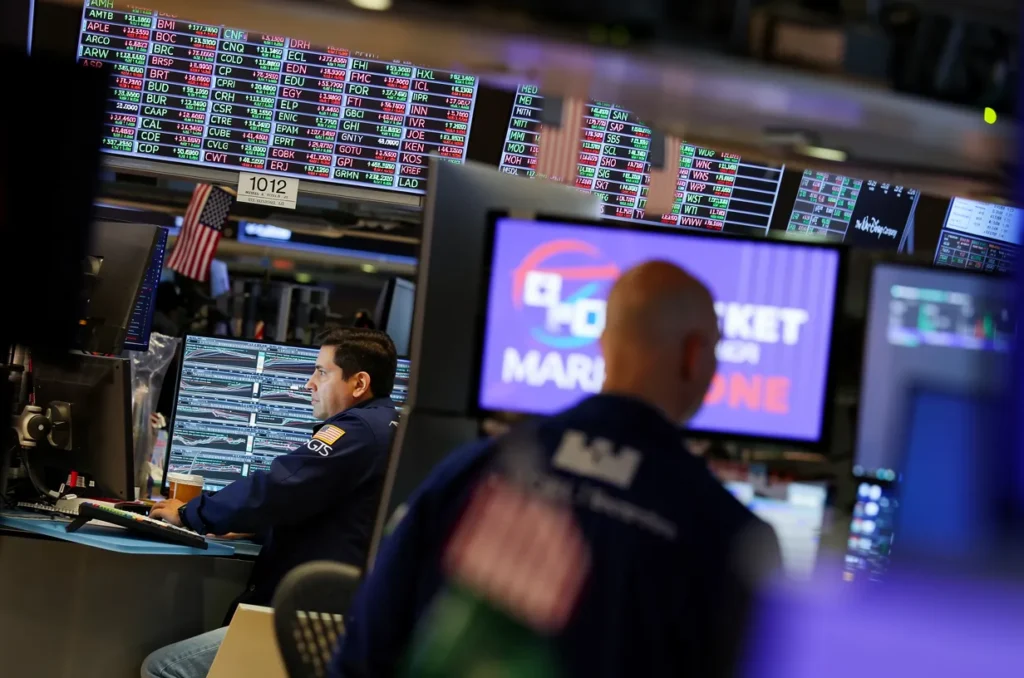
The Nasdaq fell 2.5% on Friday, while the S&P 500 dropped 1.4%, as of 11:08 a.m. ET. The Dow was down less than 0.1%, reflecting a much sharper retreat in technology shares. apnews.com
Anthropic had finished its first session roughly 17% above its $83 IPO price. By Friday morning, its shares were down more than 10% at one point, surrendering much of that opening-day cushion. reuters.com
The listing had demonstrated that buyers would commit enormous sums to AI. It could not establish how much those investments would eventually earn.
That distinction has become harder to ignore as the companies supplying chips, building infrastructure and developing models depend increasingly on one another’s expansion plans.
The cash arrived, but the spending questions stayed
Anthropic’s funding position improved substantially this week.
Its closing announcement puts gross IPO proceeds received by the company at approximately $91.6 billion, including the underwriters’ full exercise of their additional-share option. A concurrent private placement brought another $26 billion from technology companies including Google, Microsoft, Nvidia and AMD.
That is roughly $117.6 billion before fees and expenses. Shares sold by existing shareholders generated separate proceeds that did not go to Anthropic. anthropic.com
The distinction matters because fresh company capital can finance computing capacity, research and operations. A falling share price after the offering does not withdraw the money already raised.
But the operating challenge remains. Anthropic’s filing describes $895.4 billion of aggregate commitments, substantially all related to computing and infrastructure.
Those commitments extend over many years and include conditional arrangements; they are not a current debt balance or a one-year cash bill.
More revealing is the mismatch the filing describes: some computing agreements require payment regardless of use, while much of Anthropic’s revenue depends on customer consumption without long-term commitments. sec.gov
Capacity has to be paid for. Customers still have to keep using it.
Keep Up With the Sell-Off and What Comes Next
Nvidia’s sales answer only part of the question
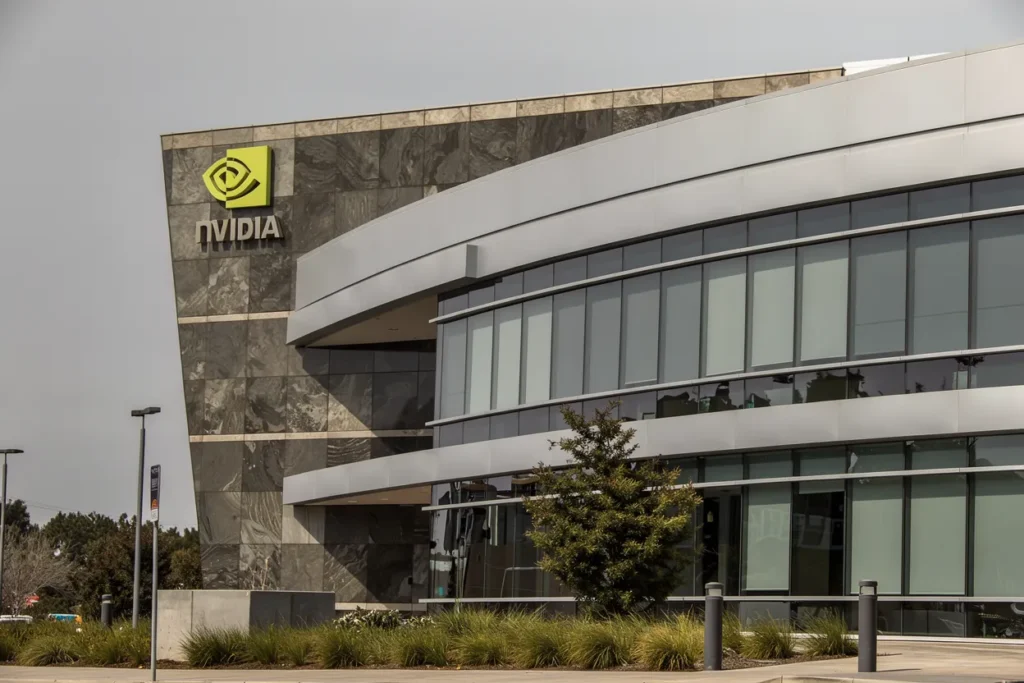
Nvidia (NASDAQ: NVDA) provided strong evidence of current demand this week. Its quarterly revenue reached $115.8 billion, up 103% from a year earlier. investor.nvidia.com
That makes it difficult to describe the AI slowdown as a simple disappearance of chip demand.
The unresolved question sits further along the chain. Nvidia earns revenue when customers buy its systems. Those customers then need enough profitable workloads to justify the purchase, along with electricity, financing and other operating costs.
Strong supplier sales can therefore coexist with doubts about customer returns.
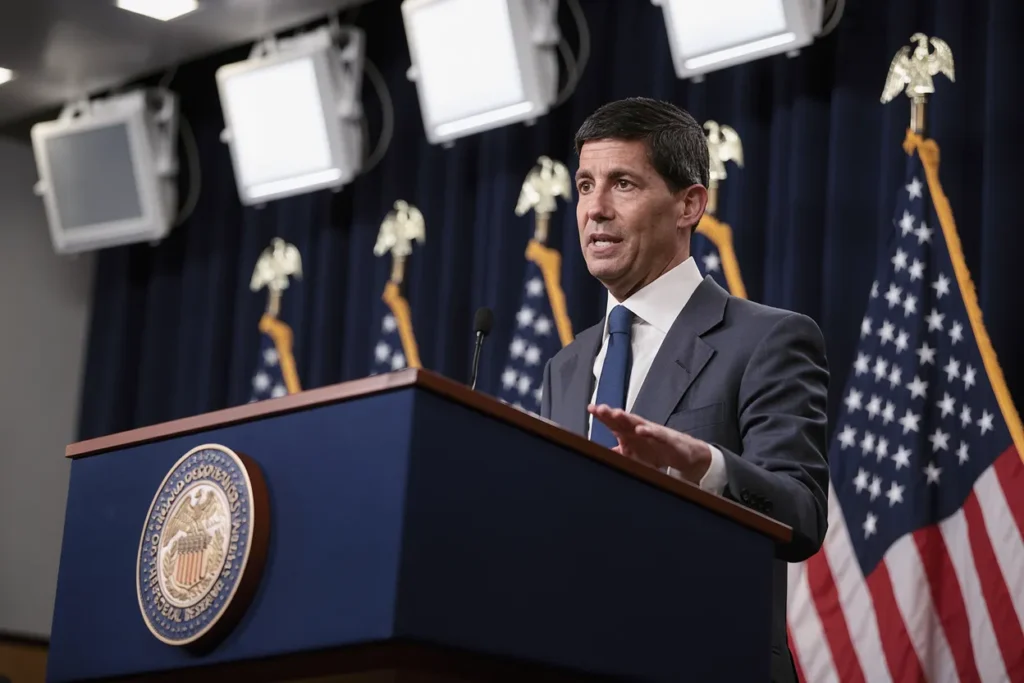
The Federal Reserve’s October meeting minutes identified rapidly growing AI-related debt, leasing commitments and circular financing arrangements as potential sources of amplified losses if investment returns disappoint. October 27-28, 2026
These are risks policymakers identified, rather than evidence that losses are inevitable. They explain why another strong earnings report may struggle to settle the broader debate.
Consumers saw a little relief while markets stayed uneasy
The pressure extended beyond technology. Gold was down roughly 3.5% in Schwab’s morning market update, while bitcoin fell below $60,000 during Friday trading. Charles Schwab
Meanwhile, the University of Michigan’s consumer sentiment index rose to 51.5 from 48. Year-ahead inflation expectations declined to 3.7% from 4.7%.
There is a useful wrinkle in the survey: households with the largest stockholdings reported worsening personal finances, while some lower-wealth households benefited from falling gasoline prices. sca.isr.umich.edu
A better mood among consumers can coexist with falling asset prices. Neither automatically resolves the other.
For AI, the next quarterly disclosures will bring the debate back to customer usage, operating cash flow and financing needs. This week demonstrated that capital remains available. Turning it into durable earnings is the longer assignment.
Explore More Stories in Markets
Disclaimer
Wall Street Access is an independent financial publisher. Wall Street Access is not a financial advisor. No company mentioned has compensated Wall Street Access for the preparation, publication or distribution of this article. This content is provided for informational and educational purposes only and is not investment advice or a recommendation to buy, sell or hold any security. Investing involves risk, including the possible loss of principal.
Prices, market capitalizations, financial figures and other market data are based on information available as of the date and time of publication and may change without notice. Information is drawn from public sources believed to be reliable but is not guaranteed to be complete or accurate. Opinions and expectations expressed are our own and may change as new information becomes available.
Readers should conduct their own due diligence and contact a licensed financial professional before making any investment decision. Past performance does not guarantee future results. Any material ownership interest or conflict of interest, where applicable, will be disclosed separately.