A deal looked close. Now the two sides are moving the other way.
Only days ago, U.S.-Canada trade talks appeared to be moving toward lower auto tariffs and a broader compromise.
That fell apart quickly.
The U.S. President is now threatening to raise tariffs on Canadian automobiles, auto parts and steel to 50% beginning January 1, 2027, while Canadian Prime Minister Mark Carney has pledged dollar-for-dollar retaliation.
The swing is dramatic. Canadian auto tariffs had recently looked capable of falling from 25% to around 15% under a potential deal. Instead, they could now double.
For markets, the important question isn’t whether every threatened tariff actually takes effect.
It’s whether both governments are entering a cycle where each new measure demands another response.
Autos are where this gets messy fast
The North American auto industry was built around the idea that the U.S., Canada and Mexico function as one manufacturing network.
Parts cross borders. Vehicles cross borders. Components produced in one country are assembled into something larger in another.
A 50% tariff does not fit neatly into that system.
If Canadian parts suddenly become substantially more expensive in the U.S., automakers can’t always replace them with American-made alternatives the next morning. Supply chains take time to rebuild, and in the meantime manufacturers are left choosing between higher costs, lower margins and higher prices for customers.
That is why the auto threat matters more than a simple tariff headline.
It could create winners, but not always the obvious ones.
A U.S.-based manufacturer with a genuinely domestic supply chain could become more competitive. A company marketed as “American-made” but heavily dependent on Canadian components may still feel the pain.
The opportunity is likely to be in companies with simple, localized supply chains and pricing power, rather than buying an entire sector because tariffs sound supportive.
Canada has much more at stake economically
The relationship is uneven.
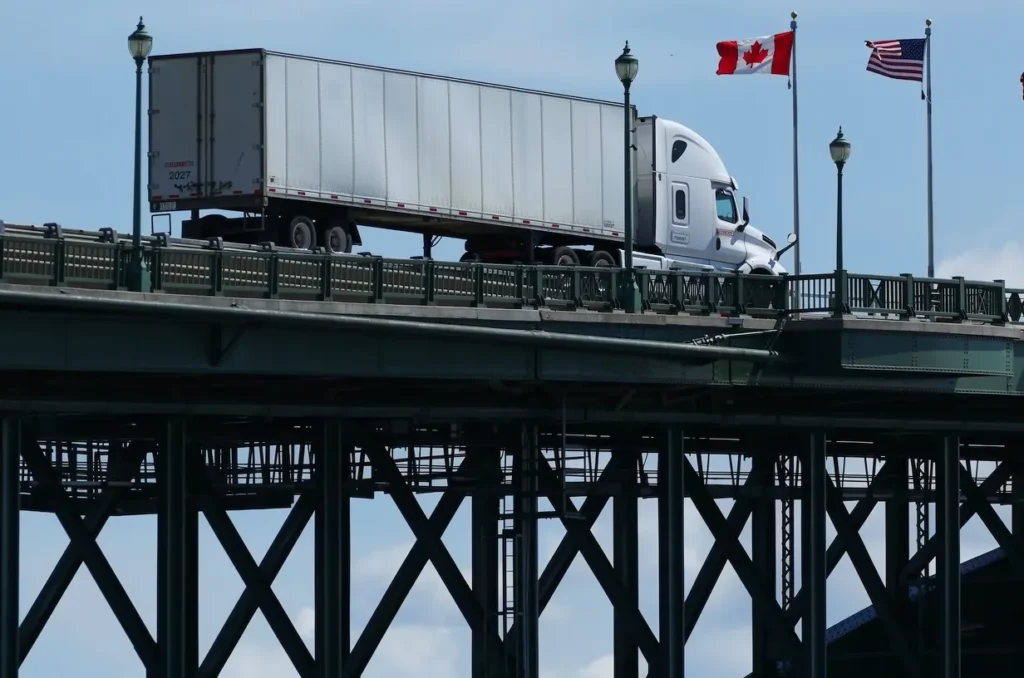
The U.S. is Canada’s dominant trading partner, accounting for roughly 62% of total Canadian trade, while Canada is the largest destination for U.S. exports.
That means both sides can get hurt, but Canada has less room to absorb a prolonged breakdown.
Capital Economics now believes tariffs already implemented on products including wine and cement could push the Canadian economy back toward recession if the dispute continues to escalate.
That creates a difficult position for Ottawa.
Backing down quickly could be politically costly. Retaliating aggressively could deepen the economic damage.
This helps explain why analysts are so divided.
Signum Global Advisors expects “no de-escalation soon,” while Veda Partners does not expect the Canadian government to capitulate. Pangaea Policy is taking almost the opposite view, describing the standoff as temporary and still expecting an eventual deal.
Someone is probably going to be wrong.
That uncertainty is exactly what creates volatility.
September 8 is the first date worth watching
Canada’s next round of retaliatory tariffs is scheduled to take effect on September 8.
That gives markets a much nearer catalyst than the January 2027 auto deadline.
If talks restart before then, the current fight may turn out to be another aggressive negotiating cycle where both sides threaten the maximum before settling somewhere in the middle.
If September 8 arrives with retaliation intact and no new negotiations underway, the situation becomes harder to dismiss.
Markets would then need to start taking the January auto tariffs more seriously.
The distinction matters because investors tend to discount future policy before it actually arrives. Automakers, suppliers and industrial companies won’t wait until January 1 to start adjusting expectations if it becomes clear that 50% tariffs are really coming.
The real danger is USMCA
The biggest risk isn’t wine, cement or even automobiles.
It’s what happens to USMCA.
The trade agreement has held together a deeply integrated North American economy, but its future is already uncertain after it was not renewed this summer. It has now entered an annual review process that could drag on for years.
Raymond James pointed to an even more serious possibility: the U.S. could eventually threaten to invoke the agreement’s six-month withdrawal provision.
The analysts did not call that their base case.
Neither would we.
But it is the scenario with the largest potential economic consequences.
A tariff on one category changes the economics of that product. A breakdown of USMCA changes assumptions across manufacturing, agriculture, energy, transportation and cross-border investment.
That is when a trade dispute becomes a market-wide problem.
There could still be opportunity inside the volatility
Trade wars rarely move every company in the same direction.
Canadian exporters with heavy U.S. exposure could face pressure if tariffs persist. Automakers with complicated cross-border production may find themselves squeezed from both sides.
But companies producing strategic goods domestically could become more attractive if businesses begin reshoring supply chains faster.
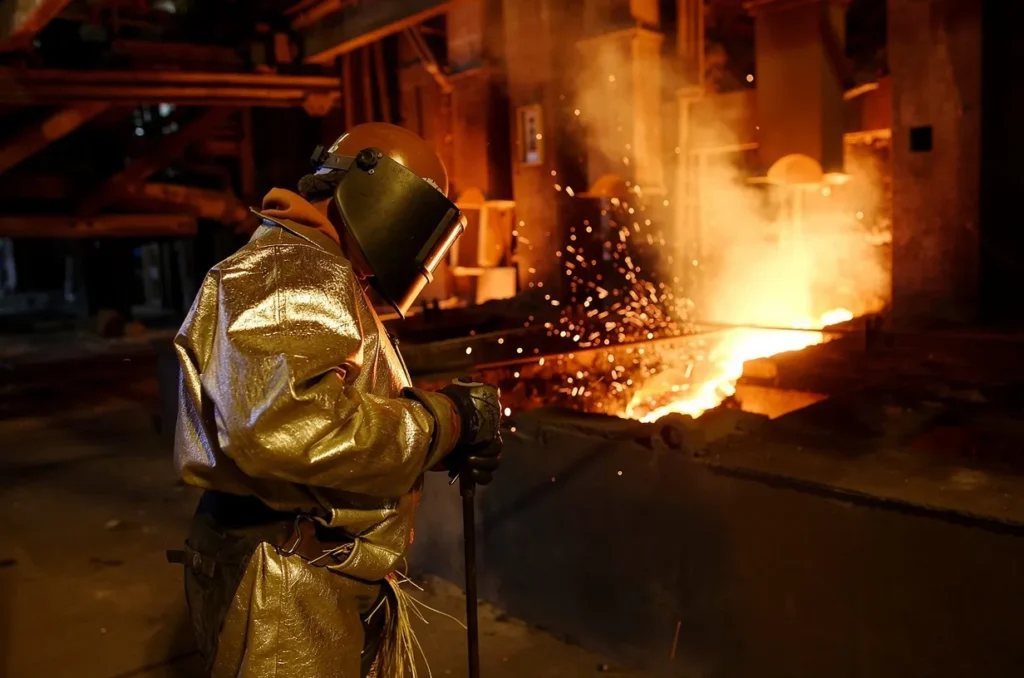
Steel is an obvious area to watch, though even there the story is not as simple as “tariffs equal higher steel stocks.” Higher domestic prices can help producers while simultaneously hurting customers that use steel as an input.
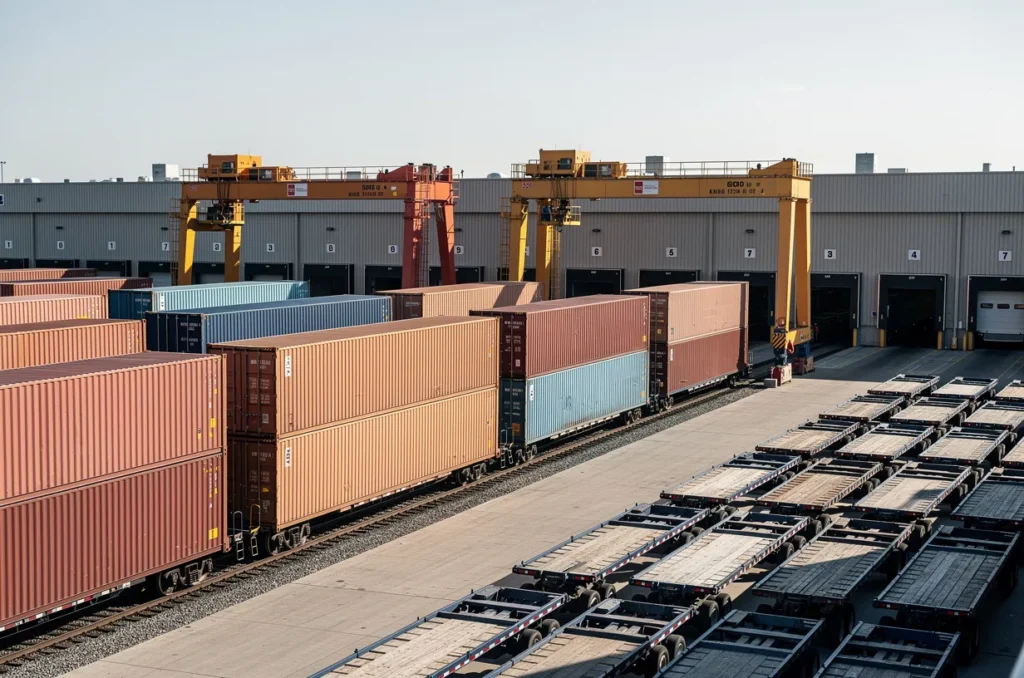
Transportation and logistics could also shift as companies redesign where goods move and where inventories are held.
The larger theme is supply-chain localization.
If this dispute lasts, businesses will have another reason to reduce dependence on goods that repeatedly cross national borders before reaching the customer.
That process costs money, but it also creates investment.
For now, this is a risk to watch — not a reason to panic
The language coming from both governments is aggressive, and the collapse of negotiations is clearly negative compared with where things stood only days ago.
Still, January is a long way off.
The U.S. Administration has repeatedly used tariff deadlines as negotiating leverage, and there is still plenty of economic incentive for both sides to eventually find a compromise.
The next few weeks should tell us much more.
If Canadian retaliation takes effect on September 8 and Washington responds again, the odds of a prolonged trade fight rise materially.
If talks restart, markets may quickly begin pricing another compromise.
The bigger concern is USMCA. As long as that framework remains intact, this can still be treated as a difficult negotiation between two deeply connected economies.
If withdrawal from USMCA starts becoming a serious possibility, the story changes completely.
That is the line we would not want to see crossed.
Explore More Stories in Markets
Disclaimer
Wall Street Access is an independent financial publisher. Wall Street Access is not a financial advisor. No company mentioned has compensated Wall Street Access for the preparation, publication or distribution of this article. This content is provided for informational and educational purposes only and is not investment advice or a recommendation to buy, sell or hold any security. Investing involves risk, including the possible loss of principal. Prices, market capitalizations, financial figures and other market data are based on information available as of the date and time of publication and may change without notice. Information is drawn from public sources believed to be reliable but is not guaranteed to be complete or accurate. Opinions and expectations expressed are our own and may change as new information becomes available. Readers should conduct their own due diligence and contact a licensed financial professional before making any investment decision. Past performance does not guarantee future results. Any material ownership interest or conflict of interest, where applicable, will be disclosed separately.