Oil moved back to the center of the market
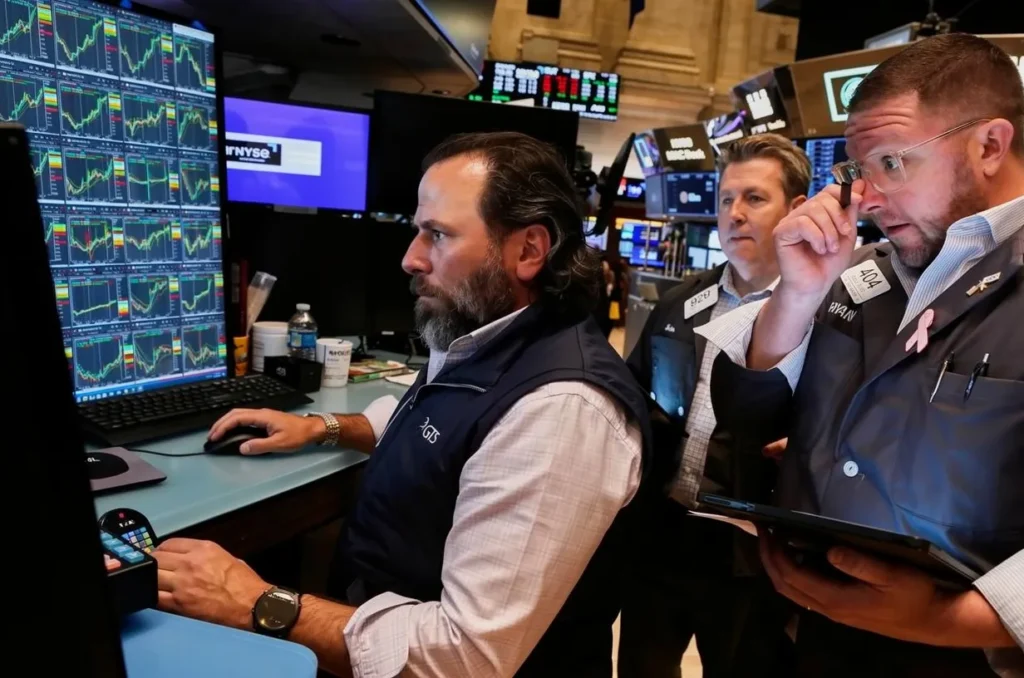
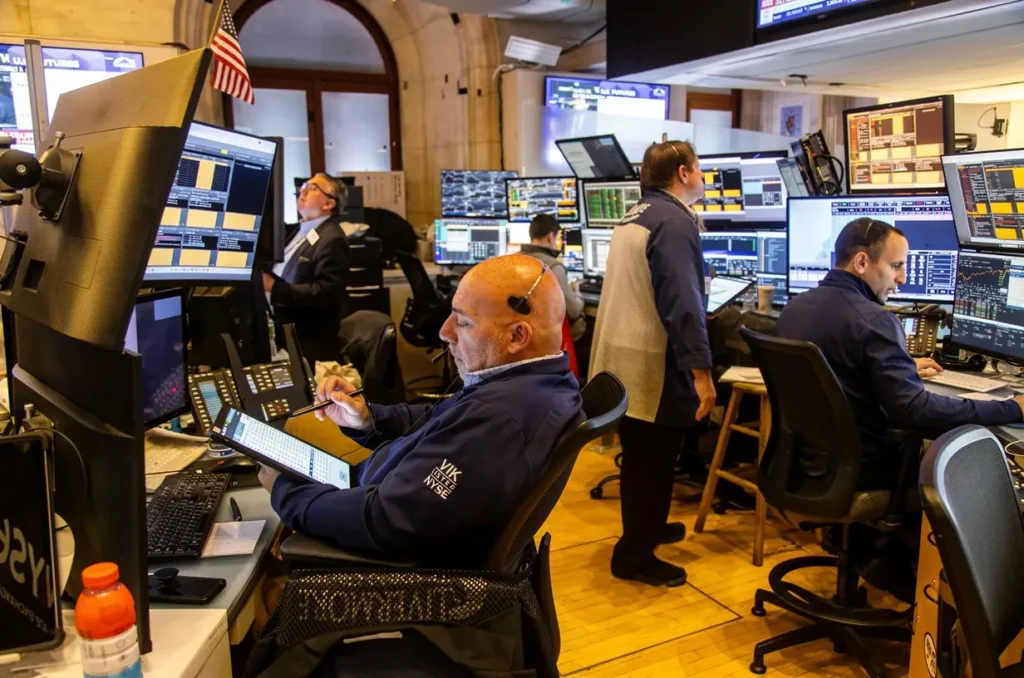
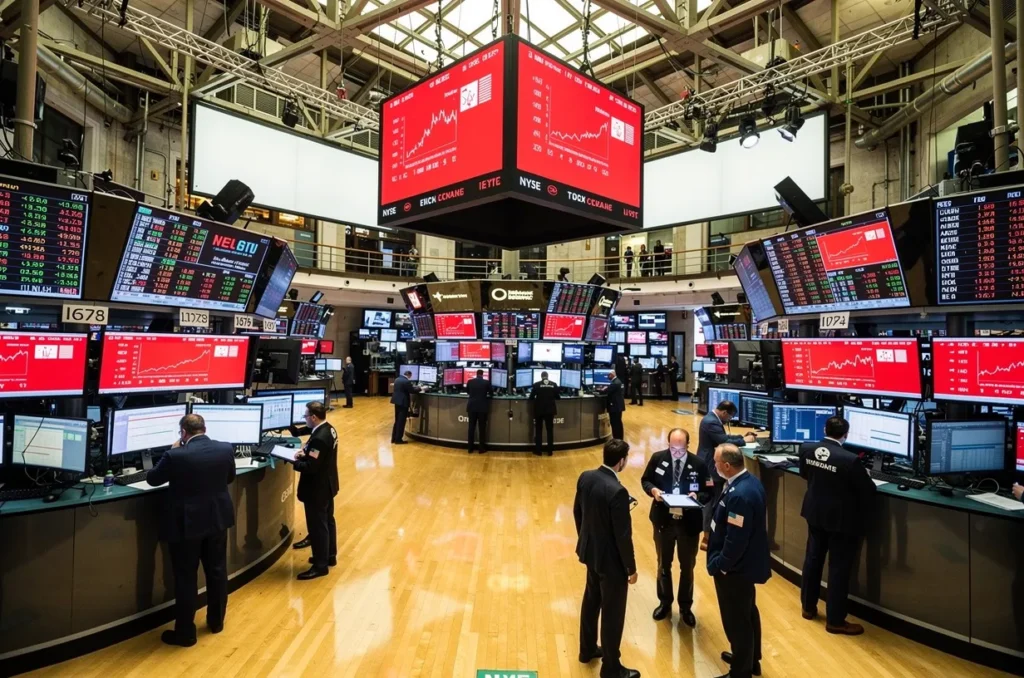
Wall Street lost ground on Thursday as the market absorbed a renewed jump in oil after fresh signs that a deal between the US and Iran may not be as close as investors had hoped.
The S&P 500 fell 0.3%, the Nasdaq dropped 0.4%, and the Dow slipped 0.2% after briefly turning positive earlier in the session. The move came as Brent climbed back above $107 a barrel and WTI pushed back over $100, reversing some of the optimism that had built around the idea of a near-term diplomatic breakthrough.
The trigger was a harder line from Iran’s supreme leader, who reportedly directed that the country’s near-weapons-grade uranium should not be sent abroad. That matters because the removal of that stockpile has been one of Washington’s core demands in any final deal. Once the market saw that position harden, the oil reaction was immediate.
The market is learning that “progress” is not the same as a deal
President Trump had suggested on Wednesday that a resolution with Iran could be close and that he was willing to wait a couple more days while Tehran reviewed the latest proposal. That helped steady sentiment for a moment.
Thursday was a reminder that the negotiations are still fragile.
This market is no longer reacting simply to the possibility of talks. It is reacting to whether those talks are producing real movement on the issues that matter most, especially anything tied to nuclear concessions and the future of Hormuz. Until investors see a concrete agreement, oil remains vulnerable to sharp upside moves on any sign that the process is stalling.
Nvidia delivered, but the stock did not rescue the tape
The other major focus was Nvidia.
The company beat expectations on both revenue and earnings and issued an upbeat sales forecast. Under most circumstances, that would have been enough to lift confidence across the semiconductor space. But this was not a normal setup. Expectations were already extremely high, and the market was clearly hoping for an even stronger demand signal.
That is the problem when a company becomes the core pillar of a trade. A good report is not always enough. It has to be exceptional.
One detail that did stand out was CFO Colette Kress saying Nvidia expects around $20 billion in revenue this year from standalone CPUs and CPU servers, including systems tied to Grace Blackwell and Vera Rubin. That reinforces the idea that Nvidia is still widening its addressable market, not just defending the GPU business. But even that was not enough to fully offset the broader pressure coming from oil and yields.
SpaceX’s filing kept the AI-infrastructure story alive
There was also a second high-profile technology development after the bell on Wednesday: SpaceX filed its S-1, giving the market a rare look into the company’s financials and strategic positioning.
That mattered because it reinforced a theme that keeps showing up across tech and capital markets: the next major battle is not just software or apps, but physical infrastructure. Chips, compute clusters, satellites, launch systems, power, and cloud capacity are all increasingly blending into the same long-duration investment story.
That does not change Thursday’s market direction, but it does help explain why the broader AI buildout remains such an important pillar under sentiment even when the market gets hit by macro pressure.
Bond yields are still doing real damage
If there was one reason stocks could not absorb the Nvidia report and the better-than-expected jobless claims data, it was the bond market.
The 2-year yield moved up toward 4.1%, while the 10-year remained near 4.7% before easing slightly. The message from rates is clear: investors do not believe inflation has been contained, and they are demanding more compensation to own duration.
That matters because it keeps pressure on the exact parts of the market that had been carrying the rally. Expensive growth names, AI leaders, and long-duration equities all become harder to own when the discount rate keeps rising.
The market is not just dealing with one bad inflation print anymore. It is dealing with a rates backdrop that keeps saying policy may still not be restrictive enough.
Retail and labor data showed the economy is still holding up
On the economic front, initial jobless claims came in at 209,000, slightly below expectations. That is another sign the labor market remains relatively resilient.
Retail earnings also helped reinforce the same point. Walmart topped expectations on both revenue and earnings, joining a broader group of consumer names that are still showing decent operating performance even as energy costs rise.
That resilience is a double-edged sword. It supports the growth outlook, but it also makes it harder for the market to argue that the Fed needs to pivot quickly.
The AI labor debate is shifting in tone
One smaller but notable theme in the article was the argument that AI may not simply replace jobs, but instead reallocate them and potentially expand overall productivity.
That matters because the market’s AI narrative is becoming more nuanced. The question is no longer just whether AI cuts costs. It is whether it creates new workflows, new business models, and more output per worker in a way that keeps growth stronger for longer.
That is a supportive long-term theme for equities, but on Thursday it was clearly not the factor driving the tape. Oil and yields were.
WSA Take
Thursday’s move was less about disappointment in tech and more about the macro backdrop reasserting itself. Nvidia was good. Walmart was good. Jobless claims were fine. None of it mattered enough because the market’s real focus was back on Iran, oil, and rates.
That is the key setup right now. As long as oil remains elevated and Treasury yields stay high, strong earnings alone may not be enough to push stocks meaningfully higher. The AI trade is still alive, but the macro environment is making investors work much harder to justify paying up for it.
Explore More Stories in Markets
Disclaimer
WallStAccess is a financial media platform providing market commentary and analysis for informational and educational purposes only. This content does not constitute investment advice, a recommendation, or an offer to buy or sell any securities. Readers should conduct their own research or consult a licensed financial professional before making investment decisions.