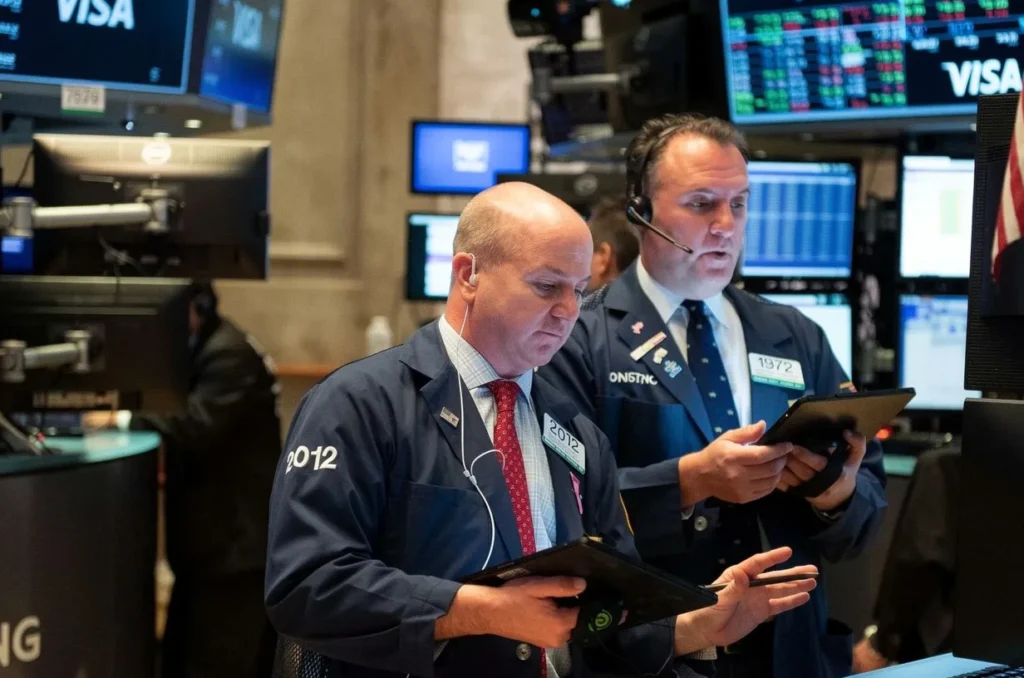
Fresh strikes on Iran did not stop the market from bouncing
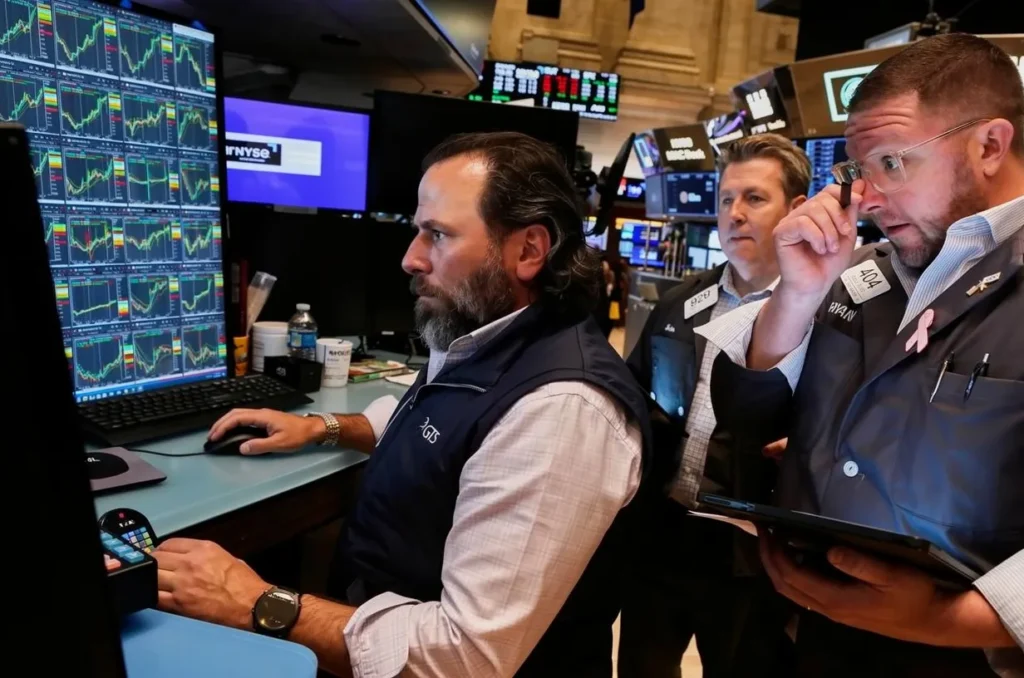
US stocks opened higher Thursday after another round of US strikes on Iran, as investors tried to determine whether the latest escalation would remain limited or pull the region into a more damaging phase.
The Dow Jones Industrial Average gained 0.4%, the S&P 500 rose 0.2%, and the Nasdaq Composite added 0.2%. The early move followed a sharp overnight reaction in oil, which spiked and then eased as traders briefly leaned back toward the view that the conflict might still be contained.
That relief was only partial. The rebound lost some momentum after the US president said another round of strikes would follow Thursday night and spoke about seizing Kharg Island and taking control of Iran’s energy sector. That language pushed the conflict back toward the center of the market’s attention.
Oil backed off early, then the anxiety returned
Crude prices initially moved lower after Wednesday night’s whipsaw, giving equities some room to recover from the previous selloff.
That changed once the White House signaled that the latest military action might not be the last. The market remains extremely sensitive to any suggestion that the conflict could move beyond limited strikes and toward a wider campaign centered on energy infrastructure. Every step in that direction raises the risk of a more lasting oil shock.
Hot wholesale inflation kept pressure on the rates outlook
The geopolitical backdrop was only part of Thursday’s story. The inflation data was also difficult.
The Bureau of Labor Statistics said producer prices rose 1.1% in May from the prior month and 6.5% from a year earlier, arriving one day after a firm CPI reading for May. The message was clear: price pressures remain elevated, and the market still has little room to assume a cleaner path toward easier policy.
That matters most for sectors already trading on stretched expectations.
Labor data softened slightly, but not enough to change the bigger picture
Weekly labor data offered a small offset, though not a decisive one.
Initial jobless claims rose to 229,000 for the week ended June 6, above expectations of 220,000. Continuing claims also moved higher to 1.795 million.
Those numbers suggest some cooling at the margin, but not enough to overpower the inflation story. The market is still dealing with an economy that appears resilient enough to keep spending going, while prices remain firm enough to keep rate pressure alive.
Oracle beat on earnings, but the cloud miss drove the stock lower
In corporate news, Oracle delivered earnings that topped expectations, but the stock still dropped after disappointing cloud sales.
That reaction fit the broader tone across large-cap tech. Investors are still willing to reward strong execution, but they are becoming more demanding about cloud growth and far more sensitive to any sign that AI-driven infrastructure spending is getting more expensive without enough near-term revenue support.
Consumer spending is still holding up
One of the more constructive reads on the economy came from Bank of America, which said consumer spending remained robust in May despite rising inflation and pressure on household budgets.
According to the bank, total credit card spending rose 5.1% year over year, with strength across both goods and services and no clear signs that households were leaning more heavily on borrowing to maintain activity.
That helps explain why the broader economy has not rolled over even as oil and inflation have moved higher. It also complicates the policy picture, because resilient consumption reduces the urgency for easier monetary conditions.
Intel helped steady part of the chip trade
There was at least one positive read from the semiconductor space.
Intel jumped after a Bank of America upgrade, with the firm citing stronger confidence in Intel’s long-term opportunity in CPUs, advanced packaging, and what it sees as a larger addressable market in agentic computing. The stock’s move helped lift the broader semiconductor group and gave the market one area of support inside tech.
Still, the sector remains volatile, and the broader AI trade is no longer moving higher in a straight line.
SpaceX remains the week’s biggest market event
Friday’s expected market debut of SpaceX is still hanging over the tape.
The company is positioned to launch what is expected to be the biggest IPO in history, which means it is already influencing attention, liquidity, and investor positioning across the market. In a tape already crowded with AI, infrastructure, and capital-intensive growth stories, that matters.
Global growth concerns are starting to build again
The World Bank added another macro layer Thursday, forecasting global growth of 2.5% this year, down from 2.9% in 2025, with the Middle East conflict cited as a major driver through higher energy prices, inflation, and tighter borrowing conditions.
US growth was projected at 2.2%, unchanged from January forecasts, but the broader international tone was clearly softer. That suggests the market may continue to separate US resilience from a weakening global backdrop for now, but that balance could become harder to maintain if oil stays elevated.
WSA Take
Thursday’s rebound reflected a market still willing to buy dips when it believes geopolitical escalation can remain contained.
That remains a fragile bet. Oil is still unstable, inflation is still running too hot, and the policy outlook is not getting easier. The economy continues to hold up, but the cost of that resilience may be a longer stretch of restrictive conditions than the market wants.
For now, the bounce says investors are not ready to step away from risk. It does not say they are comfortable.
Explore More Stories in Markets
Disclaimer
WallStAccess is a financial media platform providing market commentary and analysis for informational and educational purposes only. This content does not constitute investment advice, a recommendation, or an offer to buy or sell any securities. Readers should conduct their own research or consult a licensed financial professional before making investment decisions.