The market tried to steady itself after the tech selloff
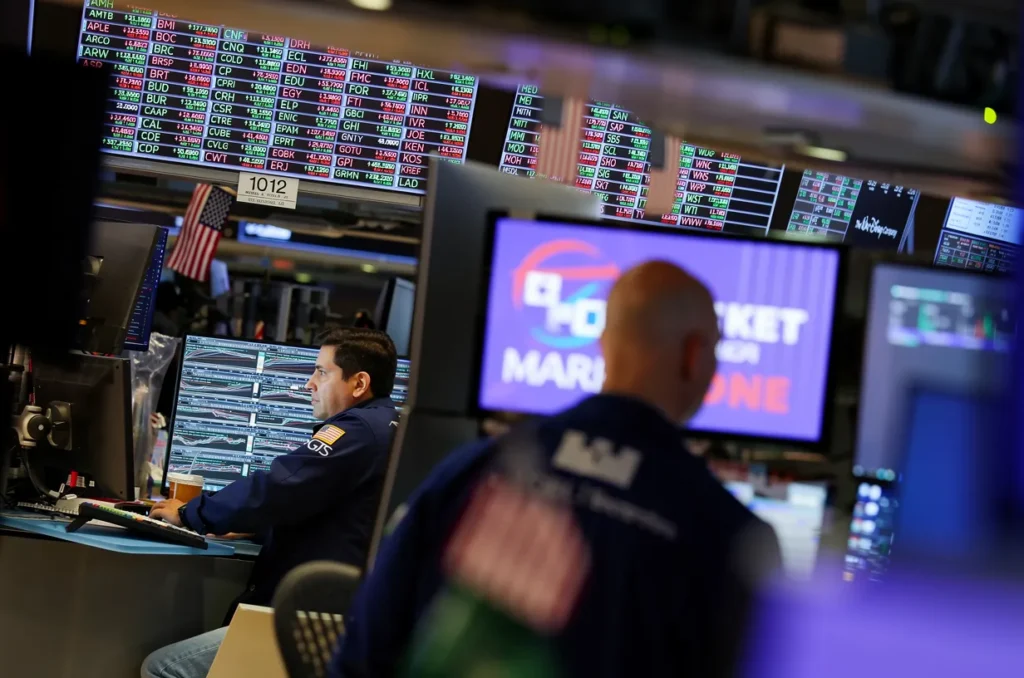
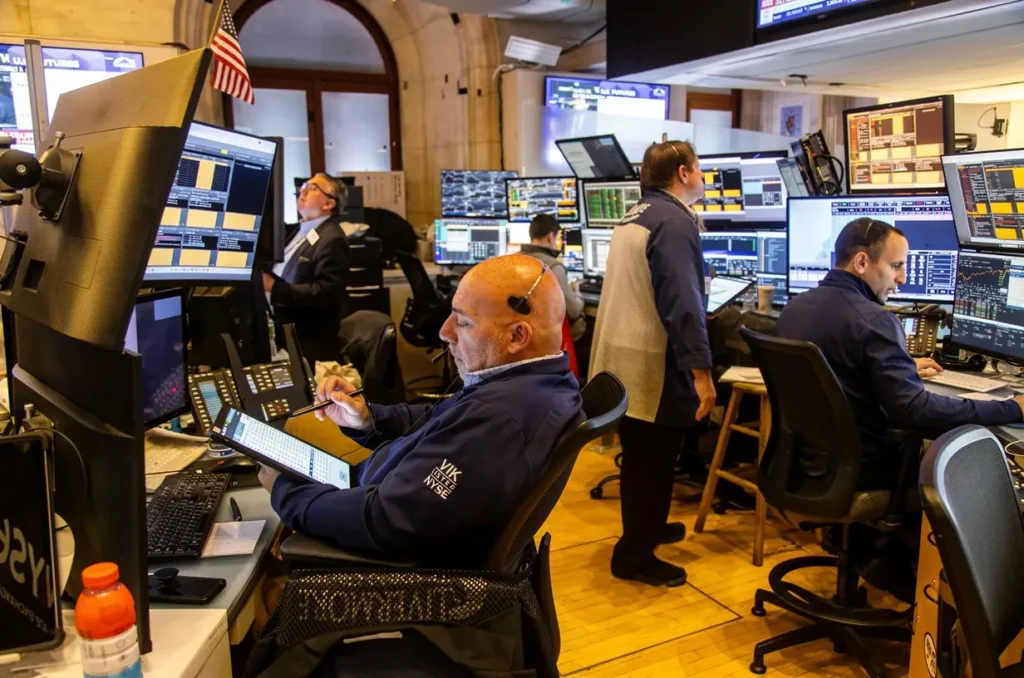
US stocks were mixed Friday as investors looked for stability after a sharp Thursday selloff led by megacap technology names.
The Dow Jones Industrial Average rose 0.1%, while the S&P 500 hovered near the flat line. The Nasdaq Composite slipped 0.1% as technology shares remained under pressure after the Magnificent Seven lost nearly $800 billion in market value on Thursday.
The market is now trying to decide whether the selloff was a short-term reset or the start of a broader rethink around AI spending, tariffs, oil prices and bond yields. Alphabet and Tesla triggered the latest pressure after investors reacted negatively to their rising capital spending plans.
AI spending is still the pressure point
The tech rout was driven by a growing concern that the AI buildout is becoming more expensive before the returns are fully visible.
Investors have not abandoned the AI trade, but they are becoming less willing to reward every company that raises spending. The burden of proof is shifting back to revenue growth, margin protection and clearer product payoff.
Intel offered one bright spot. Shares rose early Friday after the chipmaker beat Wall Street expectations following Thursday’s close. The reaction helped offset some of the broader semiconductor pressure, but it was not enough to fully restore confidence across tech.
The issue is no longer whether AI matters. It is whether the biggest companies can turn massive AI budgets into earnings fast enough to justify the investment.
New tariffs added another layer of uncertainty
The US administration’s latest round of global tariffs took effect overnight, targeting nearly all US imports.
The new Section 301 tariffs apply rates of 10% to 12.5% on major US trading partners. The administration is using this structure in hopes the new measures can better withstand legal scrutiny than earlier tariff efforts.
The White House exempted some energy products, an important carve-out given the recent jump in crude prices. The exemption reduces the risk of an immediate energy shock from the tariff package, but it does not remove the broader cost risk for companies that rely on imported goods and components.
The key market concern is straightforward:
- Tariffs can pressure corporate margins
- Higher import costs can feed into consumer prices
- Companies may delay spending while rules shift
- Supply chains may become harder to plan around
That uncertainty is arriving at the same time investors are already dealing with higher bond yields and more fragile tech sentiment.
Oil eased, but the inflation risk stayed alive
Oil prices pulled back Friday, giving markets some relief after Brent crude briefly touched $100 per barrel earlier in the week.
Brent futures fell 2.8% to trade below $98 per barrel, though the benchmark remained on track for a weekly gain. The move matters because higher oil prices have been feeding inflation concerns and pushing bond yields higher.
The recent energy spike has been tied to the widening US-Iran conflict and shipping threats across key routes. Even with Friday’s pullback, oil remains high enough to keep investors watching gasoline prices, transportation costs and the Federal Reserve’s next move.
A lower oil price helps. A still-elevated oil price keeps the inflation debate alive.
Weather risk could complicate the inflation picture
Bank of America strategists warned that a potential super El Niño could add another inflation pressure point by disrupting global crop production.
El Niño occurs when unusually warm waters spread across the central and eastern Pacific, shifting weather patterns and increasing the risk of droughts, floods and heat waves. A stronger version could affect major agricultural regions just as energy costs and fertilizer supply are already under pressure from the Iran war.
The main risks include:
- Drier soil during South America’s planting season
- Lower Australian wheat output
- Tight US corn supply
- Threats to sugar production in Brazil, India and Thailand
That matters because goods and energy helped drive much of the recent disinflation. If food and fuel prices both rise again, inflation could become harder to bring down.
American Express showed spending strength, but missed revenue
American Express fell about 4% in premarket trading even after reporting stronger-than-expected earnings and raising its full-year revenue growth outlook.
The company now expects revenue growth of 10% this year, up from previous guidance of 9% to 10%. Diluted earnings per share rose 11% year over year to $4.53, beating estimates of $4.41. Revenue increased 10% to $19.6 billion, slightly below expectations of $19.7 billion.
Cardholder spending rose 9%, helped by continued strength among affluent consumers. CEO Stephen Squeri said the company is seeing stronger momentum than expected, with growth supported by its Platinum portfolio and strong demand from Millennial and Gen Z customers.
The stock reaction shows how selective this market has become. Strong earnings are not always enough if revenue misses or investors are already worried about macro pressure.
WSA Take
Friday’s market was trying to stabilize, but the setup is still fragile. Tech stocks are being tested by AI capex concerns, tariffs are adding cost uncertainty, and oil remains high enough to keep inflation risk in play. The market does not need perfect conditions to recover, but it does need evidence that earnings can absorb higher spending, higher input costs and tighter financial conditions.
Explore More Stories in Markets
Disclaimer
WallStAccess is a financial media platform providing market commentary and analysis for informational and educational purposes only. This content does not constitute investment advice, a recommendation, or an offer to buy or sell any securities. Readers should conduct their own research or consult a licensed financial professional before making investment decisions.