Molybdenum is no longer trading like a simple steel by-product
Molybdenum’s latest price move should not be read as another routine rally tied to stainless steel or the industrial cycle.
It is part of a broader shift in the critical minerals market.
The IMF molybdenum spot series reached more than $65,000 per tonne in May 2026, up nearly 49% from a year earlier. In market terms, that roughly reflects a move from around $20 per pound to nearly $30 per pound.
The scale of the increase matters.
Molybdenum is still heavily linked to steel, especially high-strength and stainless applications. Yet the current rally is being shaped by something larger than incremental demand from mills. It reflects a security premium around metals that improve strength, heat resistance, corrosion performance and durability in advanced industrial systems.
These are not bulk commodities in the traditional sense. They are functional materials.
That distinction is becoming increasingly important as Western manufacturers reassess exposure to China-controlled supply chains.
The tungsten connection is central
The most important link is tungsten.
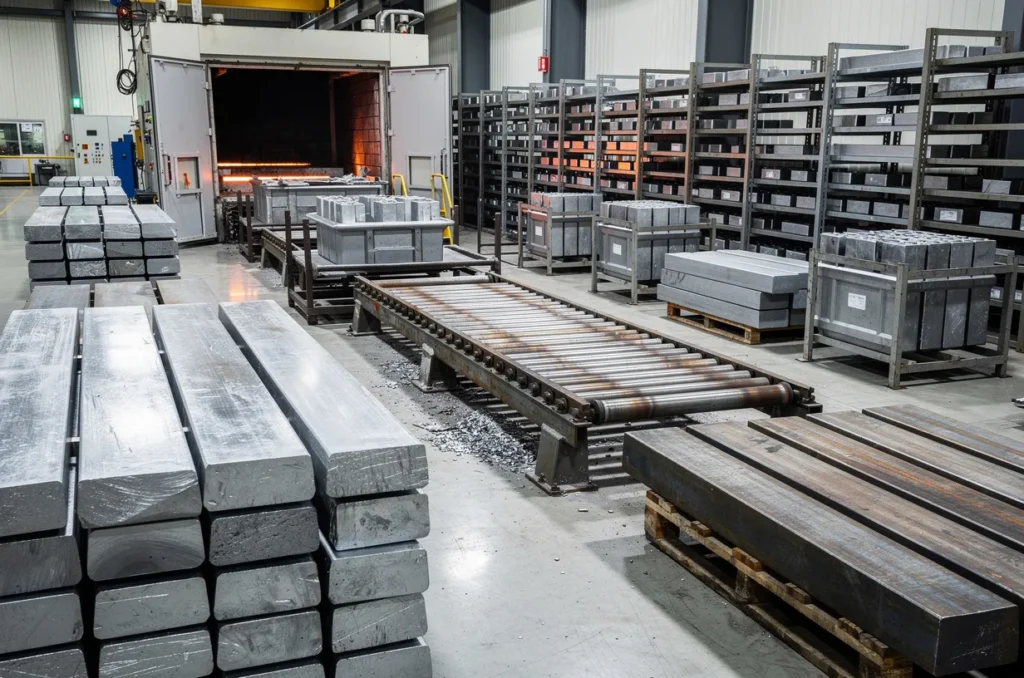
Tungsten is extremely hard, dense and heat resistant. Those properties make it difficult to replace in cemented carbides, cutting tools, drilling equipment, aerospace components, defense applications, penetrators and high-temperature industrial systems.
The problem is not that tungsten lacks demand. The problem is that access is concentrated.
China dominates tungsten mining, processing and export availability. For Western consumers, the risk is no longer limited to price volatility. It is also whether material can be obtained on schedule, in the right form and with the required approvals.
That risk became explicit in February 2025, when China imposed export controls on items related to tungsten, tellurium, bismuth, indium and molybdenum.
Those controls did not need to halt all supply to change buyer behavior. Licensing requirements, longer lead times and uncertainty around approvals can be enough to force manufacturers to rethink their material strategies.
In defense and aerospace, procurement uncertainty is itself a strategic problem.
Substitution is not a one-for-one replacement
Molybdenum is not a universal substitute for tungsten.
In many hard-metal applications, tungsten carbide’s combination of hardness, density, wear resistance and thermal stability is not easily replicated. A manufacturer cannot simply remove tungsten and insert molybdenum without changing performance.
The real mechanism is more subtle.
Companies facing tungsten supply risk may reduce tungsten intensity, redesign alloy systems, qualify alternative carbides, adjust coatings, change tool geometries or shift specifications where performance allows.
That process creates demand for materials that can partially replicate, complement or preserve some of the properties tungsten provides.
Molybdenum becomes more valuable in that environment.
Molybdenum carbide can substitute for part of the functionality of cemented tungsten carbides in selected applications. Molybdenum-bearing steels and superalloys can improve hardenability, creep resistance, high-temperature strength and corrosion performance.
The substitution channel is therefore not binary. It is a spectrum of metallurgical re-optimization.
The market is pricing functionality, not just tonnage
The better question is not how many tonnes of tungsten can be directly replaced by molybdenum.
The better question is how much molybdenum demand is created when manufacturers redesign materials to reduce dependence on restricted tungsten supply.
That distinction changes the market analysis.
In a global molybdenum market of roughly 300,000 tonnes per year, an additional 5,000 to 10,000 tonnes of demand from substitution, inventory rebuilding and material requalification may not look large in percentage terms.
In specialty applications, it can be meaningful.
High-purity molybdenum products, specific chemical forms, alloying inputs and qualified industrial materials do not always trade like generic metal units. Small changes in demand can tighten availability, extend delivery times and reprice premium grades.
The market does not need a full tungsten replacement cycle for molybdenum to benefit.
It only needs enough users to decide that tungsten exposure must be reduced.
China’s controls are changing procurement behavior
Export controls are powerful because they introduce uncertainty before shortages become visible.
A defense contractor, aerospace supplier or mining-equipment manufacturer cannot wait until a material is unavailable to begin redesigning parts. Qualification cycles can take months or years. Customers may require extensive testing before approving a new material or supplier.
Once that process starts, it can continue even if the immediate disruption later eases.
A manufacturer that invests in alternative specifications, second-source qualification or lower-tungsten designs may not abandon that work simply because one shipment clears customs.
That is how policy risk becomes lasting demand.
China does not need to shut off tungsten exports completely to influence Western supply chains. It only needs to make access uncertain enough that buyers begin paying for optionality.
Molybdenum is one of the beneficiaries of that optionality.
By-product supply makes the rally harder to solve
Molybdenum’s supply structure amplifies the price response.
A large share of global molybdenum is produced as a by-product of copper mining, especially from porphyry systems. That means output is often determined by copper mine plans, ore grades, recovery circuits and processing capacity rather than molybdenum prices alone.
If molybdenum rises sharply, producers cannot always respond by simply mining more molybdenum.
A copper mine will not necessarily expand production because its by-product credit improved. It may be constrained by permitting, mill capacity, mine sequencing, grades or broader copper-market conditions.
That makes molybdenum supply less elastic than many buyers would prefer.
The same issue applies across several minor and specialty metals. They are essential in specific applications but produced as secondary outputs inside much larger mining systems. Their supply cannot always respond directly to their own price signals.
Chile and Peru show why by-products now matter
Chile and Peru illustrate the point.
Both countries are major copper producers, and in both cases molybdenum is produced largely as a secondary product of copper mining. Yet it has become a meaningful export in its own right.
Chilean molybdenum exports reached approximately $2.48 billion in 2025, ranking as the country’s eighth-largest export product. Peru exported roughly $1.65 billion of molybdenum ore in 2025, making it one of the country’s most important mineral export categories.
For copper miners, higher molybdenum prices improve by-product credits.
That can reduce net copper production costs and support margins at operations with strong molybdenum recovery. It can also justify investments in recovery circuits, processing upgrades and metallurgical optimization.
The strategic importance is broader than mine-level economics.
By-products once treated as secondary revenue streams are becoming critical supply-chain assets. Their value depends on where they sit inside advanced manufacturing systems, whether they reduce exposure to restricted materials and how difficult they are to qualify.
The defense angle is becoming harder to ignore
The substitution trade has particular relevance for defense.
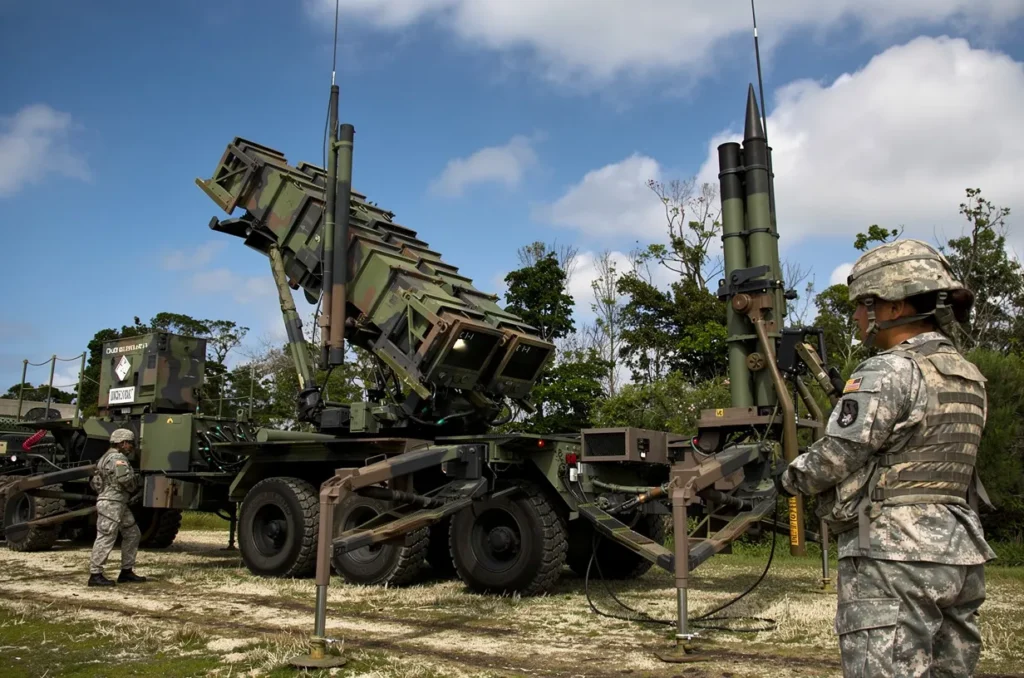
Tungsten is used across armor-piercing munitions, penetrators, high-performance tooling, aerospace components and other demanding applications. When military spending rises and weapons production accelerates, demand for hard metals and specialty alloys increases.
If tungsten access becomes less reliable, defense manufacturers must look for ways to reduce risk without compromising performance.
That does not mean molybdenum replaces tungsten in the most demanding penetrator or hard-metal applications. It means molybdenum becomes part of the design conversation across adjacent uses: steels, superalloys, thermal systems, carbides, coatings and high-temperature components.
Military supply chains are built around qualification, repeatability and reliability.
Once a material earns a role in that system, demand can be sticky.
That is why even partial substitution can have a disproportionate market impact.
Critical minerals stress is spreading sideways
The molybdenum rally shows how critical minerals pressure can move laterally through the periodic table.
Markets often focus on the controlled material itself: tungsten, gallium, germanium, graphite or rare earths. The second-order effect can be just as important.
When one metal becomes harder to source, manufacturers do not only seek new mines. They also redesign products, reformulate alloys and qualify adjacent materials.
That creates new demand in metals that were not the original target of the supply shock.
Molybdenum is one example. Others include rhenium, vanadium, niobium, tellurium, bismuth and indium. Each may be small in volume compared with copper, iron ore, aluminum or lithium, but each can be decisive in a specific industrial function.
The strategic value of a material is increasingly defined by what it allows a manufacturer to do.
The next premium will be paid for flexibility
The emerging market premium is not only for scarcity. It is for flexibility.
A company with access to qualified molybdenum, tungsten alternatives, specialty alloying expertise and reliable processing capacity has more room to maneuver than a company tied to a single material or supplier.
That flexibility has value.
It can reduce exposure to export controls, shorten requalification timelines, preserve production schedules and support defense or aerospace contracts that cannot tolerate supply interruptions.
Miners and processors positioned in allied jurisdictions may benefit from that shift, particularly if they can provide consistent quality rather than only raw tonnes.
The same applies to metallurgical expertise. Companies capable of redesigning materials systems may become as strategically important as companies with the mineral deposits themselves.
WSA Take
Molybdenum’s rally is a signal, not just a price move.
The market is beginning to recognize that critical minerals risk spreads through function. Tungsten controls do not affect tungsten alone. They force manufacturers to think about hardness, heat resistance, wear performance, density, corrosion resistance and high-temperature strength across entire material systems.
Molybdenum is not a simple substitute. It is a strategic complement that becomes more valuable when users reduce tungsten intensity, requalify alloys and rebuild inventories around supply-chain resilience.
The supply side makes the story more powerful. Because much of the world’s molybdenum comes as a by-product of copper mining, higher prices cannot produce immediate new supply. That gives even modest substitution demand the potential to tighten specialty markets.
This is the geopolitics of substitution. China’s export controls do not need to stop shipments entirely to reshape demand. They only need to make access uncertain enough for manufacturers to redesign.
In that environment, overlooked by-products can become strategic materials. Molybdenum is now showing how quickly that shift can happen.
Explore More Stories in Commodities
Disclaimer
WallStAccess is a financial media platform providing market commentary and analysis for informational and educational purposes only. This content does not constitute investment advice, a recommendation, or an offer to buy or sell any securities. Readers should conduct their own research or consult a licensed financial professional before making investment decisions.