A bigger import bill tells only part of the story
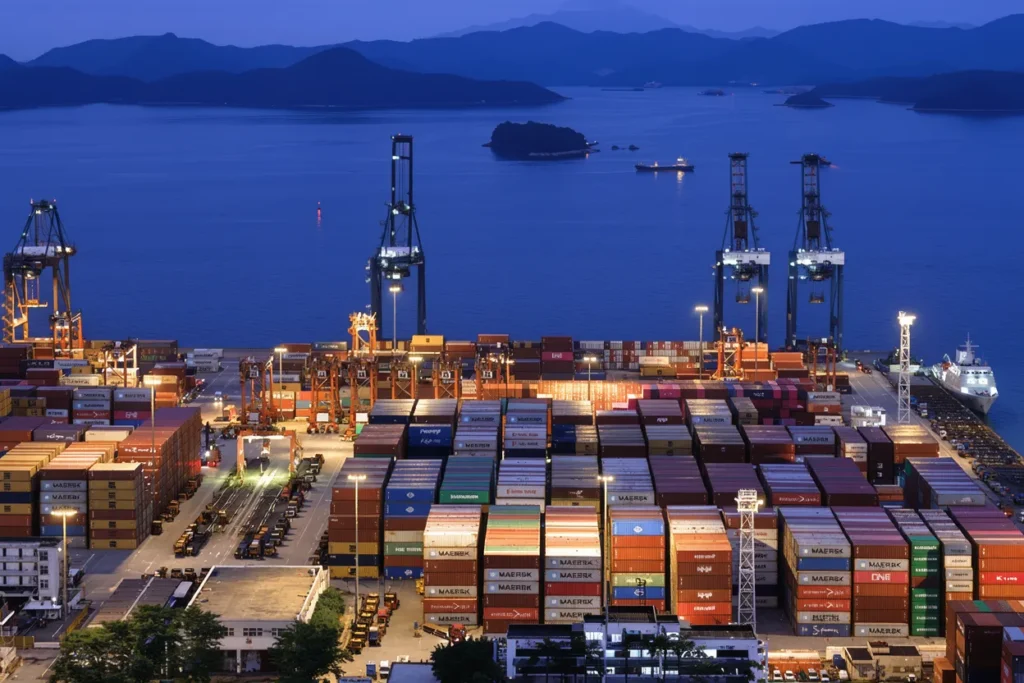
China bought substantially more from the world in October, measured in dollars. It also sold enough abroad to push its goods surplus past $1 trillion with two months remaining in the year.
Exports increased 35.2% and imports rose 41.6% from a year earlier. The cumulative surplus reached $1.04 trillion, compared with a full-year record of $1.2 trillion in 2025.
Faster imports narrowed October’s surplus to approximately $105.3 billion. But the composition of those purchases matters more than the headline growth rate.
The AI boom is strengthening China’s role in global production without yet delivering a broad consumer revival. That supports industrial suppliers while leaving exporters dependent on overseas demand and vulnerable to new trade barriers.
The contrast is visible at home. China’s latest available retail figures showed 1.1% year-over-year growth in September, or 3.9% excluding automobiles.
That measure covers goods and catering rather than all household consumption, but it offers little evidence of a spending surge comparable with the trade boom.
The technology supply chain runs in both directions
China’s industrial economy is buying components as well as shipping finished products.
ING’s breakdown shows high-tech exports rising 66.6% and high-tech imports increasing 72.1% in October. These broad categories include components and equipment serving the AI build-out.
The pattern connects Chinese production with technology spending elsewhere. A slowdown in that spending could affect both the goods China ships and the inputs its manufacturers purchase.
Energy provides another reason to distinguish import value from physical demand.
China’s crude-oil import bill rose 41% from a year earlier, even though the volume imported fell 13.3%. Higher prices increased spending despite fewer barrels arriving.
For commodity producers, prices and volumes therefore tell different stories. A larger Chinese import bill can support sales values without signaling a broad increase in consumption.
China’s buying and selling reaches far beyond Chinese stocks. Chip orders, commodity shipments and tariff decisions can change the outlook for businesses around the world. Wall Street Access connects those developments in your inbox.
Follow the Trade Shifts Moving Global Markets
Europe’s car quota puts a limit on the recent trajectory
The export boom also creates pressure in markets receiving those goods.
Europe’s hybrid-vehicle arrangement illustrates the tension. Council on Foreign Relations economist Brad Setser describes an initial cap of approximately 350,000 Chinese hybrids annually.
That exceeds roughly 300,000 imported in 2025, yet falls well below the 800,000 annualized pace implied by the latest three months of European data.
Both comparisons can be true. The arrangement allows growth over last year while constraining the much faster pace exporters had recently reached.
The quota covers hybrids; battery-electric vehicles and conventional cars face different rules. Its significance is specific to the product and market involved.
For manufacturers, that distinction reaches directly into production plans. Strong demand cannot translate fully into shipments when access is capped. Competition for the remaining sales can also put pressure on pricing.
The surplus can keep growing while the imbalance persists
The IMF has called for China to strengthen consumption-led growth, including through better social protection. Its analysis links cautious household spending to the prolonged property downturn and a weak safety net that encourages saving.
More export orders can support factories without resolving those household concerns.
Technology and materials suppliers can therefore benefit from Chinese industrial purchases while businesses dependent on household spending face a different demand environment.
Overseas policy remains another constraint. Beijing extended the suspension of its 24% additional tariff on U.S. goods for two months from November 10, while retaining the separate 10% additional tariff.
The extension provides temporary stability, with another policy decision approaching in January.
China can finish the year with another record surplus and still face the same underlying challenge: turning industrial strength into broader domestic spending before foreign markets place tighter limits on its exports.
Explore More Stories in Markets
Disclaimer
Wall Street Access is an independent financial publisher. Wall Street Access is not a financial advisor. No company mentioned has compensated Wall Street Access for the preparation, publication or distribution of this article. This content is provided for informational and educational purposes only and is not investment advice or a recommendation to buy, sell or hold any security. Investing involves risk, including the possible loss of principal.
Prices, market capitalizations, financial figures and other market data are based on information available as of the date and time of publication and may change without notice. Information is drawn from public sources believed to be reliable but is not guaranteed to be complete or accurate. Opinions and expectations expressed are our own and may change as new information becomes available.
Readers should conduct their own due diligence and contact a licensed financial professional before making any investment decision. Past performance does not guarantee future results. Any material ownership interest or conflict of interest, where applicable, will be disclosed separately.