Europe needs more than minerals in the ground
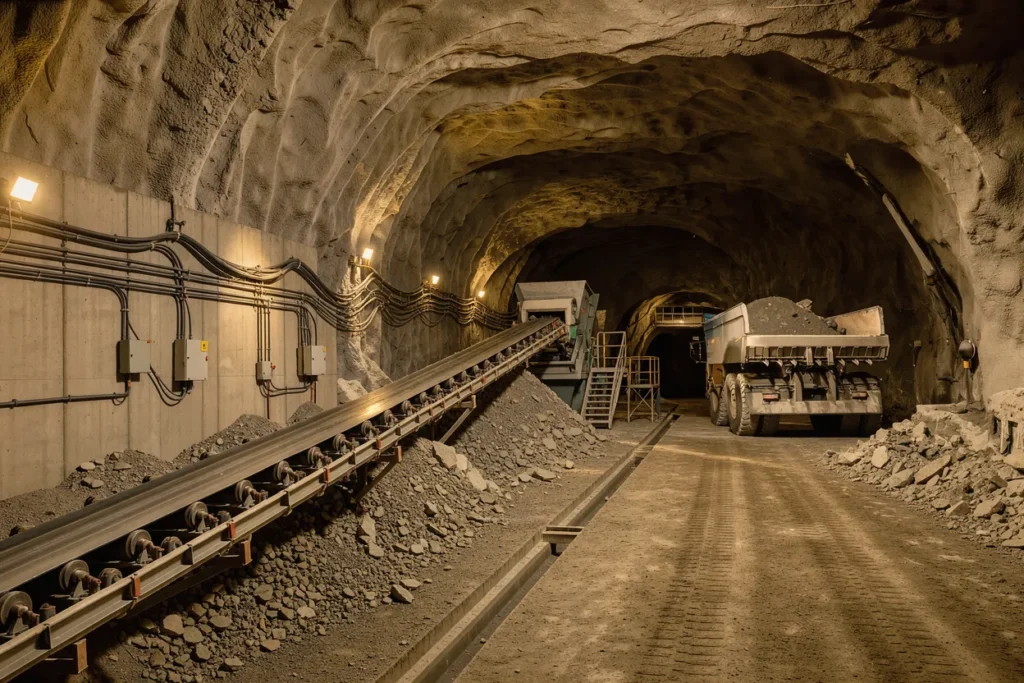
At Sweden’s Malmberget iron mine, materials left over from extracting one commodity could become the starting point for another industry.
LKAB plans to recover rare earths and phosphorus from its existing iron ore production. The ambition reaches beyond mining: Europe needs those materials turned into components its manufacturers can actually use.
The stakes are substantial. The International Energy Agency estimates more than $1.5 trillion in potential direct economic losses for Europe if China’s rare earth export controls were implemented in full. That measures exposure under a disruption scenario, rather than a loss already incurred.
Our thesis is that Europe’s rare earth opportunity lies in completing the supply chain: turning dependable feedstock into magnets that manufacturers have approved and agreed to buy.
For investors, that puts processing businesses and magnet manufacturers alongside miners when assessing where new spending could generate returns.
Sweden’s shortcut still needs to prove itself
LKAB has an advantage: it can develop critical mineral production from material it already mines, without first opening a separate rare earth mine.
But recovering those materials consistently is another challenge.
On November 3, LKAB began operational testing at its SEK 800 million demonstration plant in Luleå. Hot commissioning means running and adjusting the process under actual operating conditions. Regular demonstration operations are targeted for spring 2027, if testing proceeds as planned.
Those results will inform a much larger investment decision.
There is also a permitting hurdle. Although the planned Luleå industrial park has an environmental permit, the permit covering continued mining and the proposed apatite plant in Gällivare has been appealed.
Existing infrastructure provides a head start. Recovery performance, costs and permits will determine how much that advantage is worth.
Subscribe to Wall Street Access for Emerging Rare Earth Companies
Estonia shows the next step toward revenue
China’s strength grows further along the production chain. The IEA puts its 2024 share at 60% of magnet rare earth mining, 91% of refining and 94% of sintered permanent magnet production.
Between a deposit and a finished magnet, materials must be concentrated, chemically separated, converted into metals and alloys, and manufactured to a customer’s specifications.
Neo Performance Materials (TSX: NEO) offers a public-market example of that final step.
In September, Neo began commercial magnet shipments to a Tier 1 electric vehicle motor customer from its Estonian facility, following automotive qualification. Its first phase has approximately 2,000 tonnes of annual nameplate capacity. Actual output will depend on the ramp-up.
Customer approval matters because automotive programs typically run for the life of a vehicle platform, giving suppliers better visibility into future volumes.
The upstream connection still needs work. Neo’s separate Silmet processing operation is preparing to change feedstock suppliers and modernize its facilities, with slowdowns and intermittent stoppages planned in existing light rare earth separation.
That is the investment tension: commercial deliveries demonstrate progress, while rebuilding the supply chain can still disrupt operations.
Europe has to make dependable supply worth buying
This is where Europe is borrowing from China’s industrial approach: supporting the chain between resources and customers.
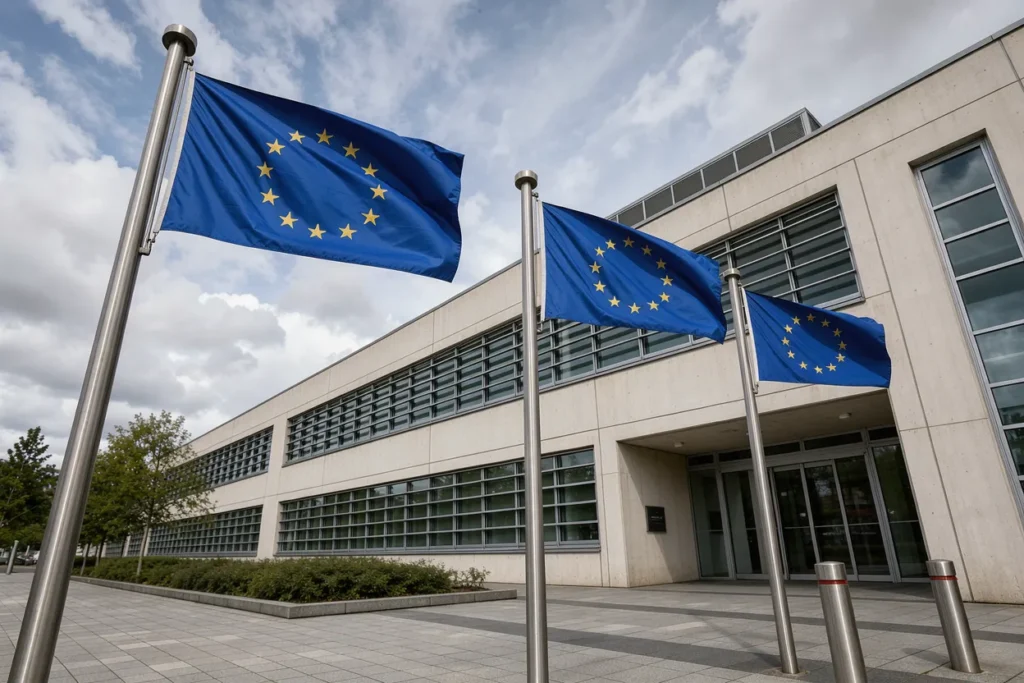
The Commission’s December 2025 RESourceEU plan set a goal of mobilizing up to €3 billion over 12 months for projects offering alternative supplies. Its Raw Materials Mechanism is designed to connect buyers, suppliers and financiers and help secure offtake agreements—commitments to buy future production.
Those contracts can help a developer finance construction. Their pricing and volume terms also determine whether the plant earns an acceptable return once operating.
Strategic importance creates a reason to build. Commercial terms determine the return on that investment.
Neo’s November 10 earnings release offers the next opportunity to assess its magnet ramp-up and processing transition. For LKAB, the next evidence comes from commissioning results and progress through the permit appeal.
Those are the milestones that will show whether Europe’s push is producing dependable supply—and businesses capable of earning money from it.
Explore More Stories in Commodities
Disclaimer
Wall Street Access is an independent financial publisher. Wall Street Access is not a financial advisor. No company mentioned has compensated Wall Street Access for the preparation, publication or distribution of this article. This content is provided for informational and educational purposes only and is not investment advice or a recommendation to buy, sell or hold any security. Investing involves risk, including the possible loss of principal.
Prices, market capitalizations, financial figures and other market data are based on information available as of the date and time of publication and may change without notice. Information is drawn from public sources believed to be reliable but is not guaranteed to be complete or accurate. Opinions and expectations expressed are our own and may change as new information becomes available.
Readers should conduct their own due diligence and contact a licensed financial professional before making any investment decision. Past performance does not guarantee future results. Any material ownership interest or conflict of interest, where applicable, will be disclosed separately.