What Happened
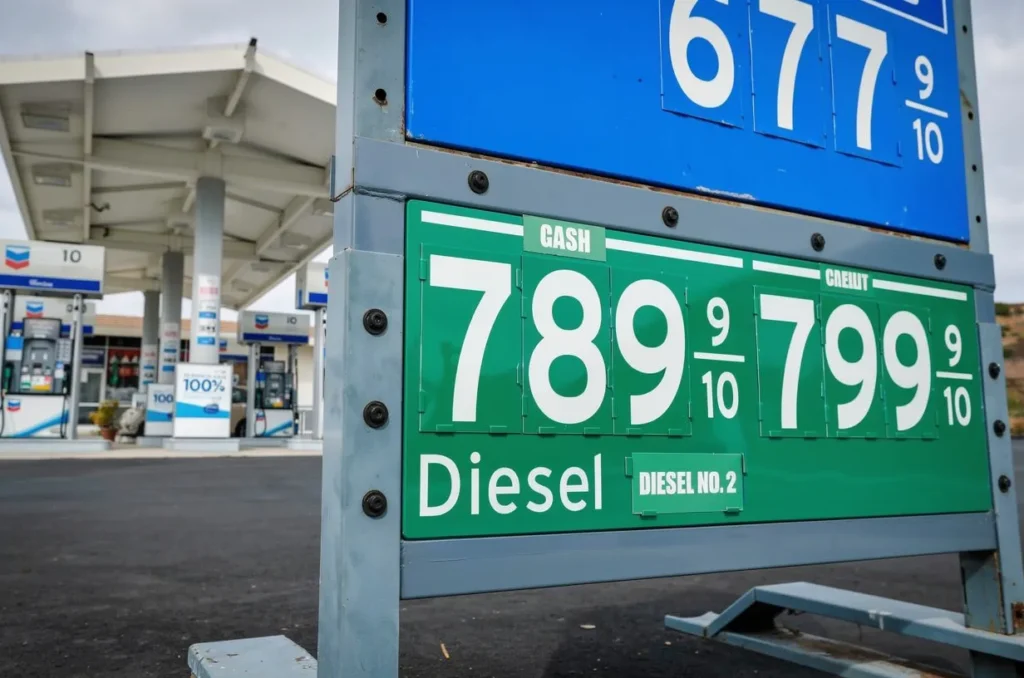
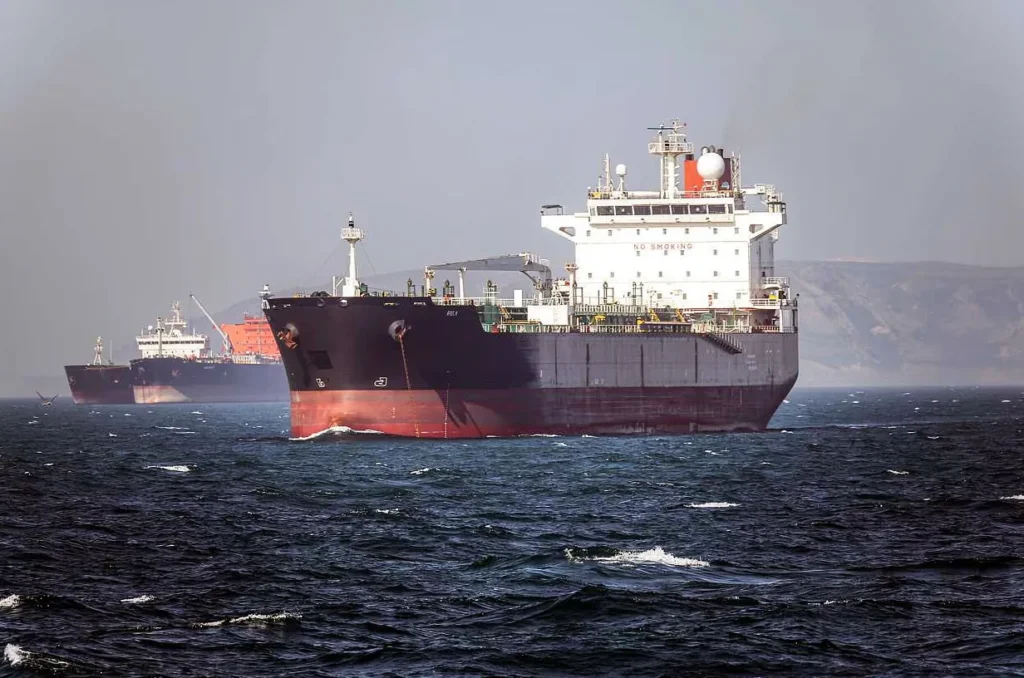
The European Union is moving into emergency mode again after another sharp energy shock, this time tied to the Iran war and the disruption it has caused across global oil and gas markets.
According to the source, the bloc has already spent an additional €24 billion, or about $28 billion, on energy imports since the conflict began. That works out to more than $587 million per day in added cost without Europe actually receiving any additional energy volumes.
That is the core problem. Europe is paying materially more for the same molecules, and the economic damage is already spreading.
Brussels Is Responding Like This Is A Real Crisis
The European Commission has unveiled a new package of emergency proposals designed to cushion the blow to households, businesses, and transport systems.
The measures include:
- a pan-European body to identify potential jet fuel and diesel shortages
- coordination of fuel sharing and emergency stockpile releases across member states
- income support
- energy vouchers
- cuts to electricity taxes
That matters because the EU is no longer treating this as a temporary price flare-up. It is treating it as a broad energy-security problem with real macro consequences.
The source frames the moment bluntly: for the second time in less than five years, Europe is paying the price of dependence on imported fossil fuels.
The Pain Is Spreading Sector By Sector
The impact is not limited to a single part of the economy. It is moving through multiple industries at once.
Some of the clearest pressure points include:
- air travel
- tourism
- fishing
- chemicals
- household energy and transport costs
That matters because this kind of energy shock does not stay contained. It raises direct import bills first, then starts feeding into operating costs, consumer prices, and business activity more broadly.
In practical terms, Europe is not just facing an expensive energy market. It is facing a wider cost cascade.
Jet Fuel Looks Like One Of The Most Immediate Weak Spots
One of the biggest short-term concerns is jet fuel.
The source notes that Europe imports around 70% of its jet fuel supply, and both the International Energy Agency and ACI Europe have warned that shortages could emerge in the coming weeks.
That is already showing up in airline behavior. Lufthansa Group said it will cut 20,000 flights through October in an effort to save on jet fuel after those costs reportedly doubled since the conflict began.
That is a serious warning sign.
When airlines begin cutting schedules at that scale, the problem is no longer theoretical. It starts affecting:
- ticket prices
- tourism flows
- airport traffic
- broader economic activity in travel-dependent regions
That is why industry groups are now pushing for governments to suspend aviation taxes as part of the emergency response.
Tourism And Consumer Spending Could Get Hit Next
The travel angle matters for a second reason: many parts of Europe depend heavily on tourism.
If higher fuel costs reduce flight capacity and push ticket prices even higher, the economic impact could travel well beyond the airlines themselves. Hotels, restaurants, regional airports, and local businesses all start feeling the pressure too.
That makes this energy shock especially dangerous for economies that rely on seasonal travel inflows. Even if peace talks eventually cool the conflict, some of the damage to bookings, routes, and business confidence may already be in motion.
Fishing And Food Supply Are Already Feeling It
The source also points to pressure in the fishing sector, where some operators have reportedly stopped fishing altogether because fuel and raw-material costs have become too damaging to margins.
That is important because it shows how a global energy shock can hit even lower-profile parts of the economy very quickly. Fishing fleets do not need a deep recession to feel pain. They just need fuel costs and operating inputs to rise fast enough to crush profitability.
The European Commission has already triggered a crisis mechanism to allow direct support for fishers and fishmongers, which tells you policymakers see this as an immediate livelihood issue, not a long-term policy debate.
The Chemicals Sector Is Getting Squeezed Again
Another major pressure point is chemicals.
The source says BASF has raised prices on products ranging from formic acid to homecare items, in some cases by more than 30%. That is significant because chemicals sit upstream in a wide range of industrial and consumer supply chains.
If chemicals become more expensive, the effects can filter into:
- household goods
- agriculture
- food systems
- industrial inputs
- manufacturing margins
The German Chemical Industry Association described the war’s impact as a significant blow to hopes for recovery in Germany, and warned that more shutdowns and job cuts may follow.
That is a serious escalation in tone. It suggests this is not just an inflation problem. It is also becoming an output and employment problem.
Germany Looks Especially Exposed
The article makes clear that Germany, already struggling with weak industrial momentum, is one of the economies most exposed to this latest energy shock.
That is not surprising. Germany remains highly sensitive to energy costs because of its industrial base and its central role in European manufacturing.
If:
- chemicals remain unprofitable
- energy-intensive plants cut output
- and business confidence weakens further
then the energy shock risks reinforcing the very weaknesses Europe had been trying to move past after the earlier Russia-Ukraine crisis.
That is why the language around recession risk is becoming more serious.
Recession Risk Is Starting To Enter The Conversation Again
The source cites forecasts that Europe could fall into recession if the war continues through the first half of the year and supply disruptions become more severe.
That matters because the market is now shifting from “higher prices” to “broader macro damage.”
The IMF has already cut growth forecasts for the euro area, and the United Kingdom has also seen a sharper downward revision. That does not automatically guarantee recession, but it tells you the growth hit is already being recognized at the top level.
This is the kind of shock that can work both ways at once:
- it pushes inflation higher
- while also pushing growth lower
That is an ugly combination for policymakers.
The UK Is Feeling The Shock Too
The pressure is not confined to the eurozone.
The source notes that UK inflation rose for the first time since December, driven in part by higher fuel prices. Food prices and air fares also moved higher.
That matters because it suggests the energy shock is already leaking into daily consumer costs. And as the source points out, the first wave may only be the beginning.
The more delayed damage may come through products and processes connected to oil and gas, including:
- fertilizer
- helium
- plastics
- metals
- carbon dioxide used in healthcare and food production
In other words, today’s fuel shock could become tomorrow’s supply-chain shock.
This Is Also A Security-Of-Supply Story
One of the most important parts of the article is that this is no longer just about spot prices.
Europe is again being reminded that energy dependence is a strategic weakness. That is why the European Commission is talking not only about relief, but about coordination, shortages, stockpiles, and system resilience.
That matters for investors because the energy story is now spilling directly into:
- industrial policy
- tourism
- manufacturing competitiveness
- food systems
- and public finances
A crisis like this does not just hurt margins. It can reshape policy priorities for years.
WSA Take
Europe’s latest energy shock is already doing real economic damage, and the €24 billion price tag makes clear this is not a small aftershock from the Iran war. The region is once again being forced to absorb much higher import costs while key sectors such as airlines, chemicals, and fishing come under visible strain.
For investors, the bigger takeaway is that Europe is being pulled back into an old vulnerability it had only recently started to move beyond. Even if hostilities cool soon, the growth hit, pricing pressure, and policy fallout are already here.Disclaimer
Explore More Stories in Markets
Disclaimer
WallStAccess is a financial media platform providing market commentary and analysis for informational and educational purposes only. This content does not constitute investment advice, a recommendation, or an offer to buy or sell any securities. Readers should conduct their own research or consult a licensed financial professional before making investment decisions.