What Happened
Kevin Warsh, President Trump’s pick to lead the Federal Reserve, told senators that he would not serve as a political proxy for the White House, pushing back against concerns that he would simply carry out Trump’s demand for lower interest rates.
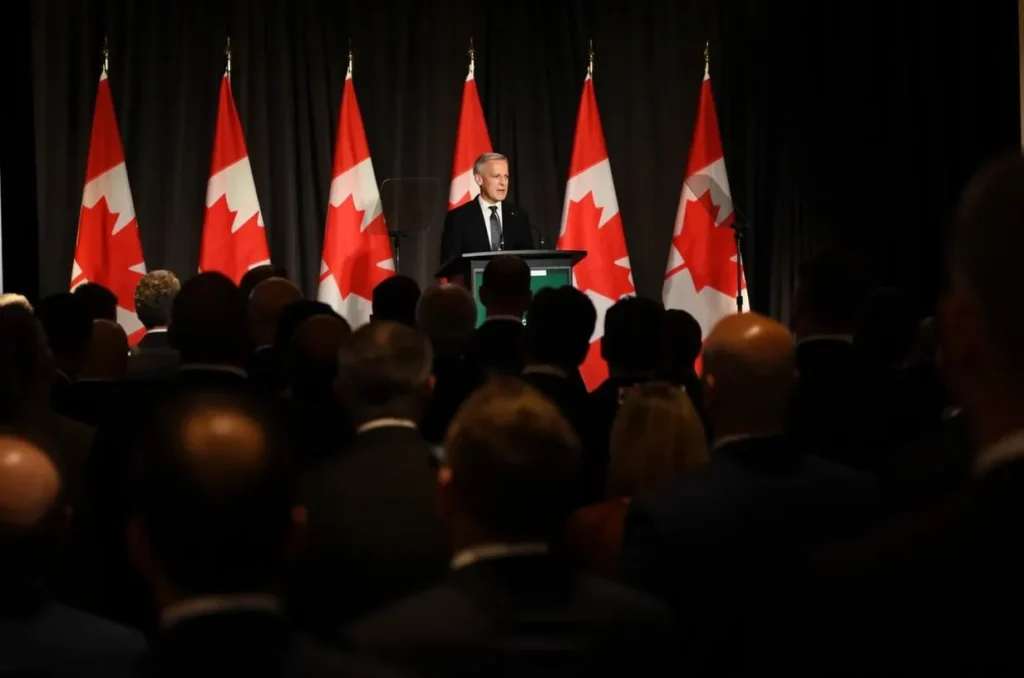
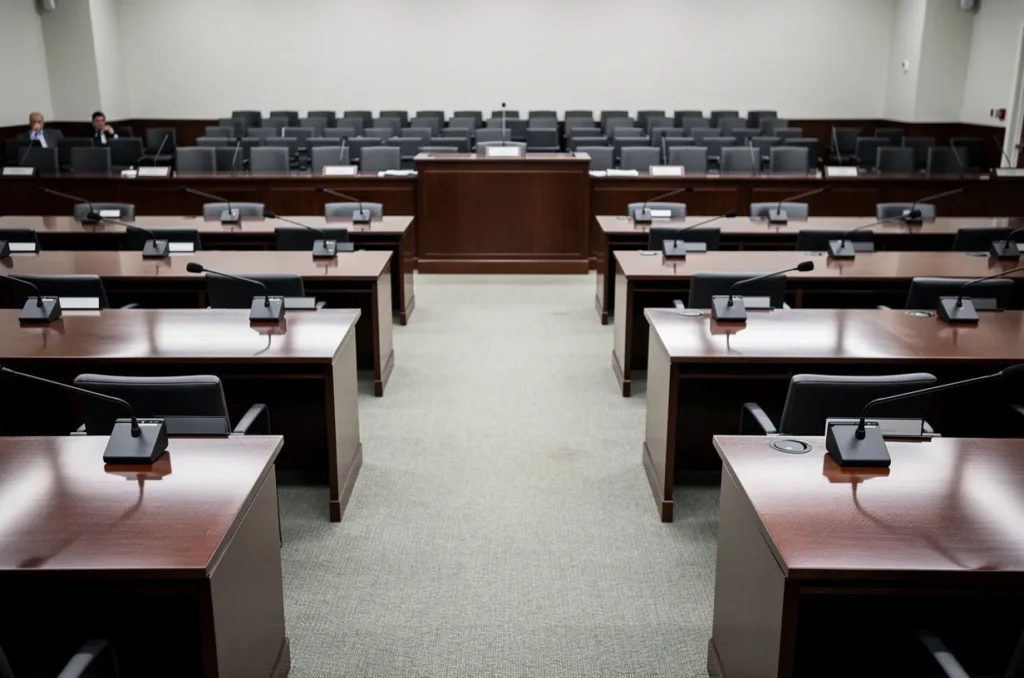
Appearing before the Senate Banking Committee, Warsh made central bank independence one of the clearest themes of his testimony. That was important because his hearing came at a highly sensitive moment for the Fed, with the Department of Justice now investigating current Fed Chair Jerome Powell over renovations to the Fed’s headquarters.
The hearing was not just about one nomination. It became a broader test of how credible Warsh’s independence case looks in a political environment where pressure on the Fed has intensified.
Warsh Leaned Hard Into Independence
Warsh’s central message was straightforward: the Federal Reserve must remain independent.
That matters because the market is not only evaluating whether Warsh is qualified. It is also trying to gauge whether a Trump-backed Fed chair could preserve the institution’s credibility if rate pressure from the White House keeps building.
For investors, that point is critical. Markets can tolerate policy disagreement. What they struggle with is the idea that monetary policy could become openly politicized.
So when Warsh emphasized that Fed independence “is essential,” he was speaking not just to senators, but to bond markets, equities, and anyone trying to understand how a Warsh-led Fed might operate.
His Path Still Looks Politically Complicated
Even with that message, Warsh’s nomination does not look simple.
The source notes that Republican Senator Thom Tillis said he would block Warsh’s nomination unless the Justice Department drops its criminal inquiry into Powell. That creates an unusual dynamic, because it means opposition is not coming only from the obvious political side.
That matters because it shows the nomination fight could turn into something larger than a normal confirmation battle. It is becoming tied to a wider argument over the Fed’s independence, the treatment of current leadership, and whether political pressure is crossing institutional lines.
In market terms, that raises the chances that the confirmation process stays noisy.
Warsh Would Not Defend Lisa Cook
One of the more revealing moments in the hearing came when Warsh was asked about Fed Governor Lisa Cook, who was fired by Trump and whose case is now pending before the Supreme Court.
Warsh declined to directly defend her, arguing that because the matter is before the Court, it would be inappropriate for him to comment, especially if he could later become a party to that issue as Fed chair.
That answer stood out because it contrasted with Jerome Powell’s approach. Powell has publicly defended Cook and treated the case as a major test of institutional independence.
Warsh’s answer was more cautious, more legalistic, and less direct.
That does not necessarily mean he agrees with the firing. But politically and symbolically, it left room for critics to argue that his commitment to independence is firmer in theory than in the specific cases where it is being tested most visibly.
The Hearing Exposed The Real Tension Around His Nomination
This is the real issue hanging over Warsh’s candidacy.
On one side, he wants markets and lawmakers to believe he would protect the Fed from political influence. On the other side, he is being elevated by a president who has openly pressured the central bank and has taken actions that many see as a direct challenge to its independence.
That creates a difficult balancing act.
Warsh is trying to present himself as:
- independent from the White House
- respectful of institutional boundaries
- serious on monetary credibility
- and not merely a vehicle for political rate cuts
But the tougher the questioning gets around cases like Lisa Cook and the investigation into Powell, the harder it becomes to separate those claims from the political environment around him.
He Also Made AI A Policy Topic
One of the more interesting policy sections of the hearing focused on artificial intelligence.
Warsh said he sees AI affecting the economy in two major ways. First, he pointed to a likely increase in capital expenditures, especially around data centers, which could lift demand. Second, he said AI could have a much larger effect on the supply side of the economy by increasing productivity and expanding potential output.
That matters because it shows Warsh is not treating AI as a niche technology issue. He is treating it as something that could reshape how the Fed thinks about:
- growth
- productivity
- labor markets
- demand
- and ultimately rate policy
That is an important point for investors, because if AI materially changes economic capacity, it could alter how policymakers interpret inflation, unemployment, and the economy’s true speed limit.
The Fed Still Doesn’t Have Clear Answers On AI
Warsh also made clear that the Fed does not yet have a full handle on what AI will mean in practice.
He suggested he is more confident that AI will improve output than he is about when those changes will show up in the labor market. That is an important distinction.
The market often talks about AI in broad, bullish terms. But from a central bank perspective, the real question is not whether AI is powerful. It is how quickly it changes:
- hiring
- wages
- productivity
- business investment
- inflation dynamics
Warsh’s comments suggest he sees AI as potentially significant enough that the Federal Reserve needs to devote much more attention to measuring its economic effects.
This Connects To A Bigger Policy Debate
The AI section of the hearing also matters because it connects to the Fed’s broader challenge in the years ahead.
If AI boosts productivity meaningfully, that could allow the economy to grow faster without generating as much inflation. But if the investment side of the AI boom fuels demand before productivity gains fully arrive, policymakers could face the opposite problem first.
That is the tension Warsh was hinting at.
In simple terms:
- AI could raise demand in the near term
- AI could raise supply capacity over a longer period
- the timing mismatch between the two could complicate policy
That is a more nuanced take than simply saying AI is good for growth or bad for jobs. It suggests Warsh is thinking about AI through a macro policy lens, not just a technology lens.
What Investors Should Take From The Hearing
For investors, the hearing offered two main read-throughs.
First, Warsh knows the market’s biggest concern about his nomination is independence, and he is clearly trying to address that head-on. Second, he appears willing to frame AI as a serious macroeconomic variable that the Fed has not yet fully modeled.
Those are both important.
The first affects confidence in the Fed’s institutional credibility. The second affects how investors think about the next several years of rates, productivity, and economic growth.
The hearing did not settle whether Warsh will actually become Fed chair. But it did show what kind of policy image he is trying to project: disciplined, independent, and attentive to structural changes in the economy.
WSA Take
Warsh used the hearing to make one point above all others: he does not want to be seen as a political instrument. That message was necessary, because without it, the market would have a much harder time trusting his nomination as anything other than an extension of White House pressure on the Fed.
For investors, the more interesting layer may be his comments on AI. If Warsh is confirmed, he appears likely to push the Fed to think harder about how AI affects demand, productivity, and the economy’s longer-term capacity. The politics will drive the headlines, but the policy significance may ultimately sit in how a future Fed leadership team interprets the AI era.
Explore More Stories in Markets
Disclaimer
WallStAccess is a financial media platform providing market commentary and analysis for informational and educational purposes only. This content does not constitute investment advice, a recommendation, or an offer to buy or sell any securities. Readers should conduct their own research or consult a licensed financial professional before making investment decisions.