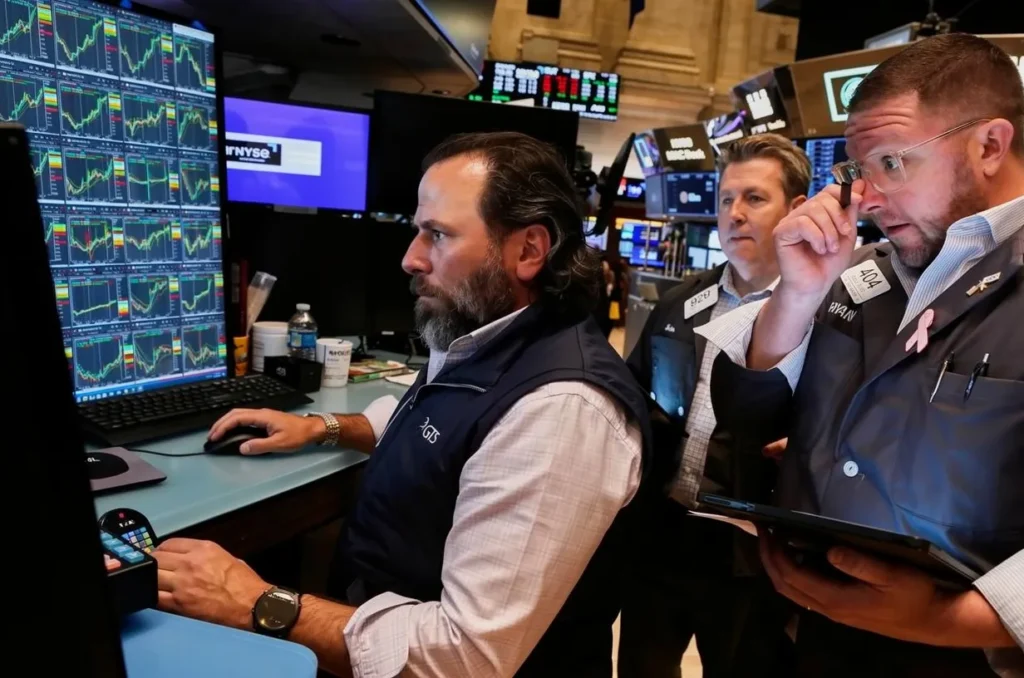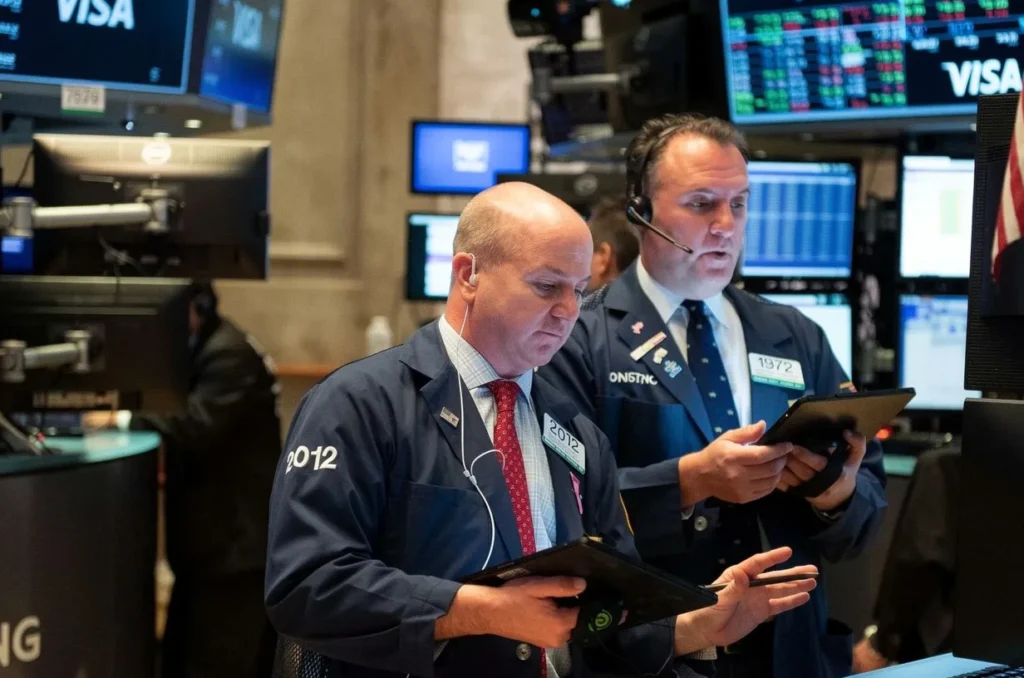
Stocks opened the week with a clear relief rally
Wall Street pushed higher Monday after the US president said a ceasefire agreement with Iran was complete, giving investors a reason to pull some of the geopolitical risk premium out of the market.
The Nasdaq Composite led gains with a 2.2% jump. The S&P 500 rose 1.3%, and the Dow Jones Industrial Average climbed 1.2%. The move extended Friday’s gains and reflected a market that was quick to respond to falling oil and improved confidence around the Middle East outlook.
Oil was the real driver
The strongest move of the morning came in crude.
Brent fell 4.7% to around $83 a barrel, while WTI dropped more than 5%, though it remained above $80. That decline gave equities the cleanest support they could have asked for. Lower oil eases immediate pressure on inflation, rate expectations, and consumer sentiment all at once.
That was the main reason risk appetite improved so quickly.
The market is pricing the agreement, not the full repair
The provisional deal could reopen the Strait of Hormuz as soon as this week, but the oil system is still a long way from functioning normally.
That distinction matters. Traders can remove part of the risk premium immediately, but actual shipping flows, insurance confidence, and normal tanker movement take much longer to restore. Even with a formal signing expected in Switzerland on Friday, the market still lacks full detail on the agreement, and that is keeping shipowners and operators cautious.
Normal oil flows are still months away
Even with a deal on the table, the physical crude market remains under strain.
Since the conflict began on February 28, ship traffic through Hormuz has dropped from more than 120 vessels per day to near zero. Hundreds of ships remain trapped on either side of the Gulf, and moving them through the region, unloading cargoes, and restarting regular cycles will take time.
The process is likely to look less like a clean reopening and more like a staged logistical restart. Even in a best-case scenario, returning to something close to normal may take three to six months, if not longer.
That means the market got a strong headline, but the hard reset in energy logistics has not happened yet.
Fox and Roku weighed on media stocks
In individual names, Fox fell 15% after announcing its $22 billion acquisition of Roku. Roku slipped as well, giving back its earlier premarket gains after a strong run into the deal news.
That was one of the few notable weak spots on a session otherwise driven by broad relief.
SpaceX kept the capital-markets buzz alive
The market also entered the week with momentum from SpaceX’s public debut on Friday.
Shares rose more than 8% at the open after a powerful first trading session that lifted the company’s market value above $2 trillion. While the broader market move Monday was mainly about oil and geopolitics, SpaceX remained an important backdrop for sentiment, especially in tech and growth.
The Fed is now the next big test
The other major focus this week is the Federal Reserve.
After the latest hot inflation readings, the debate around rate hikes has become more active again. Markets still expect the Fed to leave rates unchanged on Wednesday, but the tone of the statement and any updated guidance will matter much more in this environment.
The market got relief from oil. It still has to deal with inflation.
WSA Take
Monday’s rally was a classic relief move.
The market responded to the one thing it wanted most: falling oil and signs that the conflict with Iran may be moving toward containment rather than wider disruption. That was enough to lift stocks sharply.
Still, the recovery in crude flows, shipping, and regional energy logistics is likely to be much slower than the rebound in equities. The ceasefire headline changed sentiment immediately. It did not fix the oil market overnight.
Explore More Stories in Markets
Disclaimer
WallStAccess is a financial media platform providing market commentary and analysis for informational and educational purposes only. This content does not constitute investment advice, a recommendation, or an offer to buy or sell any securities. Readers should conduct their own research or consult a licensed financial professional before making investment decisions.