
A better number wasn’t enough
Friday’s inflation report offered something Wall Street could use: a smaller monthly price increase than economists expected.
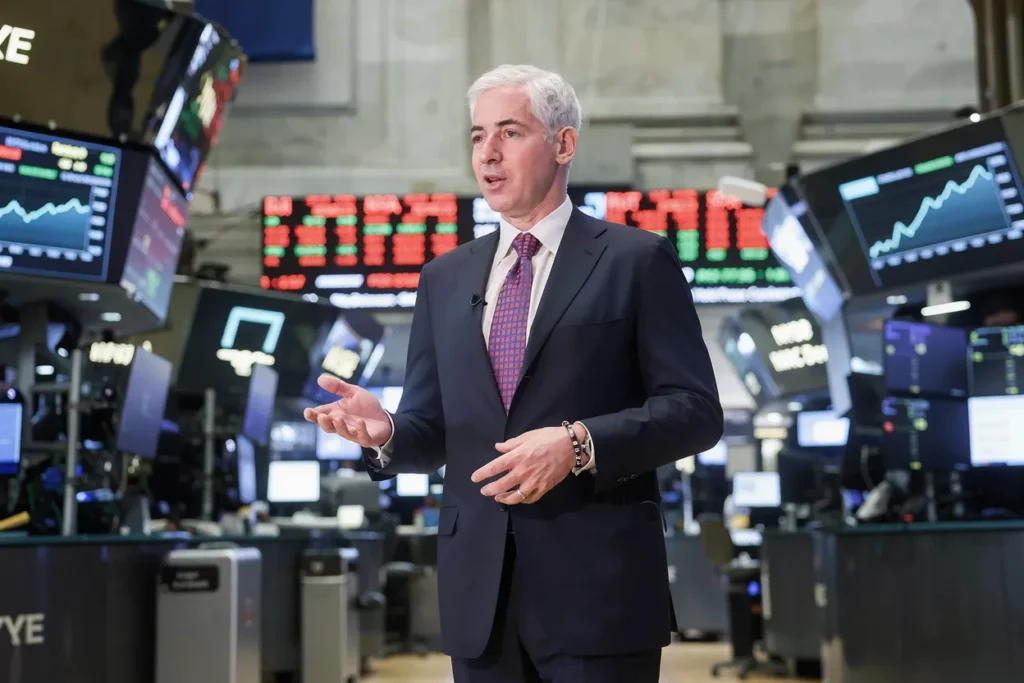
Stocks still struggled to hold their early gains. By 10:16 a.m. ET, the S&P 500 was down 0.93%, the Nasdaq had lost 1.42%, and the Dow was 0.41% lower.
The market was digesting several problems at once. Nvidia’s leadership upheaval remained unresolved, bond yields were elevated, and inflation was proving difficult to contain.
The pressure on stocks reaches beyond Nvidia: persistent inflation is keeping the cost of capital high just as the AI industry needs enormous amounts of it.
A company can continue growing in that environment. Its shares can still become harder to justify at the same valuation.
The inflation relief thins beneath the headline
The Producer Price Index rose 0.3% in October, down from September’s revised 1.4% increase. Economists had expected a 0.4% rise.
That was a substantial monthly slowdown. Over the previous year, however, wholesale prices increased 6.5%, the fastest pace since November 2022.
More telling was the measure excluding food, energy and trade services. It rose 0.5% for a second consecutive month, taking its annual increase to 4.9%.
Energy prices edged lower during October. Underlying price pressure remained.
PPI measures prices received by domestic producers, rather than the household spending prices targeted by the Fed. Still, its components help inform the inflation outlook, and rising business costs can squeeze margins or eventually reach customers.
The report offered evidence of cooling in some places. It offered much less evidence that the broader inflation problem was over.
The bond market is tightening the terms
The 10-year Treasury yield traded around 5.14% on Friday morning, maintaining pressure after Thursday’s bond sell-off.
That yield matters well beyond the Treasury market. It influences borrowing costs and the returns used to value future corporate earnings.
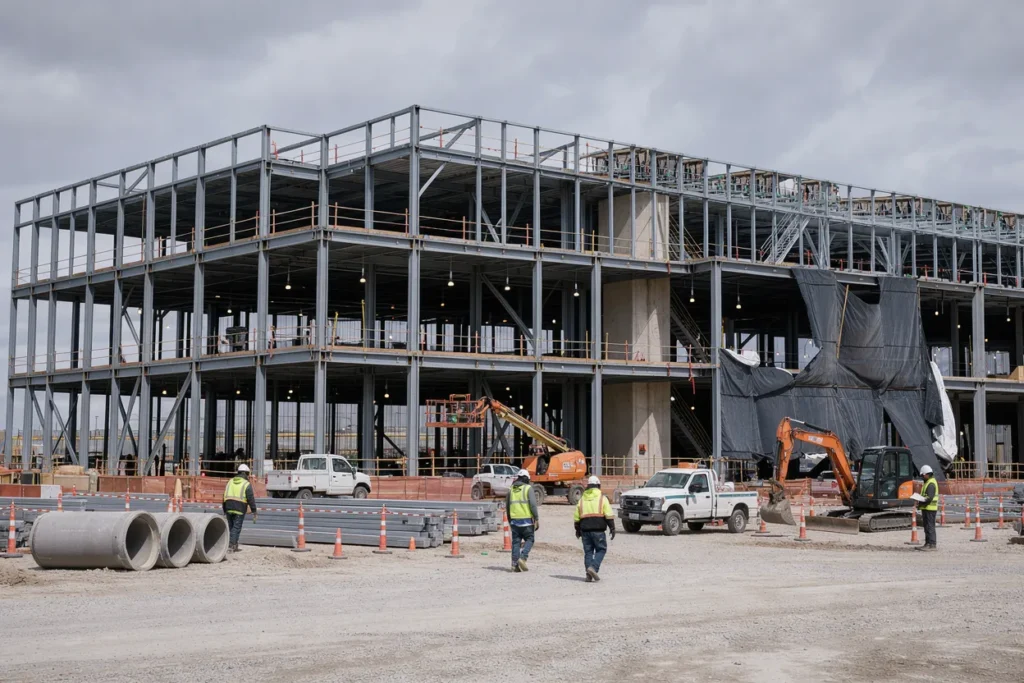
For businesses still years from generating substantial cash, a higher discount rate makes those distant profits worth less today. Companies raising money for construction face a second challenge: financing the expansion itself can become more expensive.
Bitcoin’s slide to roughly $68,800 on Friday morning showed the pressure extending beyond equities. Higher yields do not explain every crypto move, but they make an already unsettled market less forgiving.
With rates, earnings and leadership news moving together, the useful story can change between the opening bell and lunch. WSA’s market coverage follows those connections as they develop.
Make Sense of the Market Before Your Day Gets Moving—Join Our Morning Newsletter
AI is supporting growth and adding to the strain
Federal Reserve Vice Chair Michelle Bowman identified a difficult balance in her November 10 speech: AI investment is supporting economic growth while adding price pressure where equipment supply cannot respond quickly.
Strong demand for computing infrastructure can benefit suppliers and still make the Fed’s inflation task harder.
Bowman also stressed that financial conditions had already tightened. She said the benefits of further policy tightening must be weighed against the costs to interest-sensitive sectors.
Her remarks leave room for judgment. They do not turn December’s decision into a formality.
For AI businesses, the practical challenge is immediate: customer demand and affordable funding have to meet in the same project. Strong orders alone cannot settle construction costs, borrowing terms or the timing of cash returns.
Nvidia’s next report now carries more weight
Nvidia announced Jensen Huang’s resignation Thursday and appointed Colette Kress interim CEO.
By Friday midmorning, Nvidia was down 3.3%, while the Philadelphia semiconductor index had fallen 5%. The selling had spread beyond the company at the center of the controversy.
Its November 17 earnings call will provide the next direct account of demand, deliveries and management’s outlook.
Those results can help establish whether the business remains on course through the transition. The inflation and financing pressures will take longer to resolve.
For the broader market, the next meaningful relief would be earnings that hold up alongside evidence that underlying inflation is easing. Friday supplied only part of that picture.
Explore More Stories in Markets
Disclaimer
Wall Street Access is an independent financial publisher. Wall Street Access is not a financial advisor. No company mentioned has compensated Wall Street Access for the preparation, publication or distribution of this article. This content is provided for informational and educational purposes only and is not investment advice or a recommendation to buy, sell or hold any security. Investing involves risk, including the possible loss of principal.
Prices, market capitalizations, financial figures and other market data are based on information available as of the date and time of publication and may change without notice. Information is drawn from public sources believed to be reliable but is not guaranteed to be complete or accurate. Opinions and expectations expressed are our own and may change as new information becomes available.
Readers should conduct their own due diligence and contact a licensed financial professional before making any investment decision. Past performance does not guarantee future results. Any material ownership interest or conflict of interest, where applicable, will be disclosed separately.