Europe’s factories have already felt the shortage
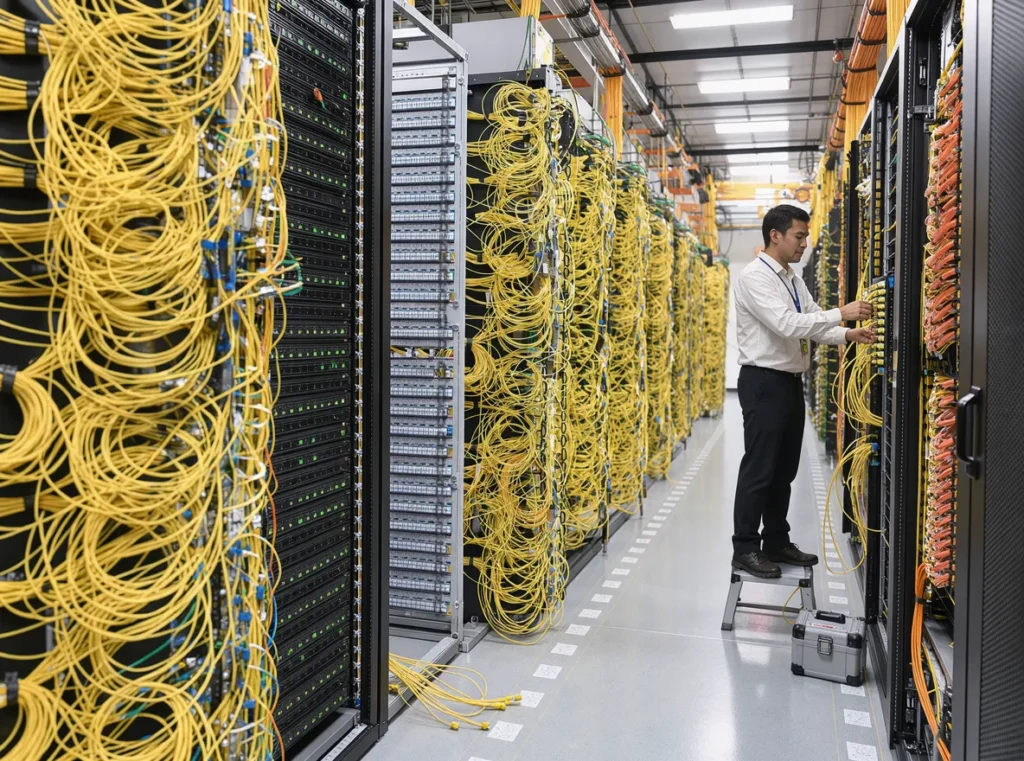
In June 2025, European auto suppliers shut down several production lines and plants after Chinese export restrictions disrupted shipments of rare earths and magnets. The affected parts went into both electric and gasoline-powered vehicles. A shortage in one part of the supply chain had reached the factory floor. European auto suppliers’ statement
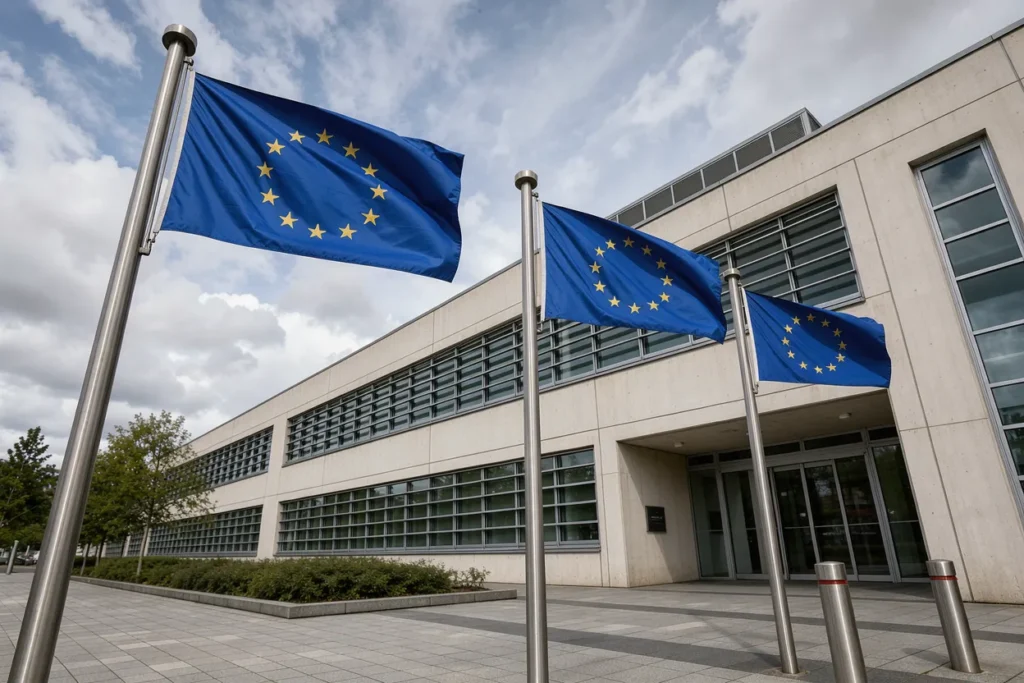
German Chancellor Friedrich Merz called Thursday for Europe to build a shared reserve of critical raw materials. Brussels had already invited applications to run a stockpiling pilot. The plan calls for testing how the EU would buy, store and release materials, with rare earths and tungsten identified for the live purchasing phase. EU stockpiling pilot
A reserve could buy factories time when shipments stop. The longer-term opportunity for suppliers depends on whether Europe also commits to buying enough material, over enough years, to help new plants get financed.
What Europe puts on the shelf matters
China’s share of the rare earth supply chain grows as the material gets closer to a finished product. In 2024, it accounted for 60% of mined output of magnet rare earths, 91% of refined output and 94% of sintered permanent magnet production, according to the International Energy Agency. IEA rare earth supply chain analysis
A reserve can serve different factories depending on what it holds. A plant equipped to turn separated rare earth oxides into metal could use a stockpile of oxides. A motor manufacturer needs finished magnets that meet its specifications for size, strength and heat resistance. Europe’s purchasing decisions will determine where in the chain the reserve can relieve a shortage.
The EU’s project list shows where it is trying to build capacity. Of the 46 projects selected across 16 member states in October, eight focus on extraction. The other 38 involve processing or recycling, including projects that combine those activities with other stages. Strategic status can speed up permitting and help developers access financing. European Commission project announcement
Subscribe to Wall Street Access for Critical Minerals Picks
A purchase contract can help get a refinery built
Europe’s raw materials platform has made more than 30 matches across 10 materials. Buyers and suppliers negotiate their own contracts outside the platform. For a developer seeking financing, that next step matters. A buyer willing to commit to years of deliveries gives lenders a clearer basis for estimating sales.
Japan has already applied that approach to a refinery in France. Its state minerals agency, JOGMEC, and trading company Iwatani announced up to €110 million in equity and debt financing for Caremag alongside a long-term agreement for half of its heavy rare earth output. The financing helps develop the plant, and the purchase agreement gives it a customer. JOGMEC financing and purchase agreement
That model shows how a public buyer could address both sides of the supply problem. An initial purchase fills the reserve. A commitment to replenish it from new suppliers could give those companies a reason to invest in additional capacity.
Estonia is already shipping magnets
Neo Performance Materials (TSX: NEO | OTCQX: NOPMF) said in September that its plant in Narva, Estonia, had begun shipping commercial volumes of rare earth magnets to an electric motor supplier. In October, an expansion spanning rare earth separation, metal production and magnet manufacturing was selected for an EU grant of up to €126 million. Neo estimates the project at roughly €400 million and says it remains subject to a final grant agreement and investment decisions. Neo’s expansion announcement
For investors following companies like Neo, the next development in Brussels will be the pilot’s purchasing terms. The material specifications will show which suppliers can compete, and the quantities and contract lengths will show how much demand those suppliers can plan around.
Explore More Stories in Commodities
Disclaimer
Wall Street Access is an independent financial publisher. Wall Street Access is not a financial advisor. No company mentioned has compensated Wall Street Access for the preparation, publication or distribution of this article. This content is provided for informational and educational purposes only and is not investment advice or a recommendation to buy, sell or hold any security. Investing involves risk, including the possible loss of principal.
Prices, market capitalizations, financial figures and other market data are based on information available as of the date and time of publication and may change without notice. Information is drawn from public sources believed to be reliable but is not guaranteed to be complete or accurate. Opinions and expectations expressed are our own and may change as new information becomes available.
Readers should conduct their own due diligence and contact a licensed financial professional before making any investment decision. Past performance does not guarantee future results. Any material ownership interest or conflict of interest, where applicable, will be disclosed separately.